Highlights:
- Appetizers are gaining popularity, with orders rising by 20% year-over-year as consumers seek more affordable dining options.
- Many Americans are shifting to private label brands when grocery shopping, reflecting cautious spending due to ongoing food inflation.
- Although food prices remain high, a gradual adjustment in the food supply chain may bring some relief in the future.
The Rise of the Appetizer Economy
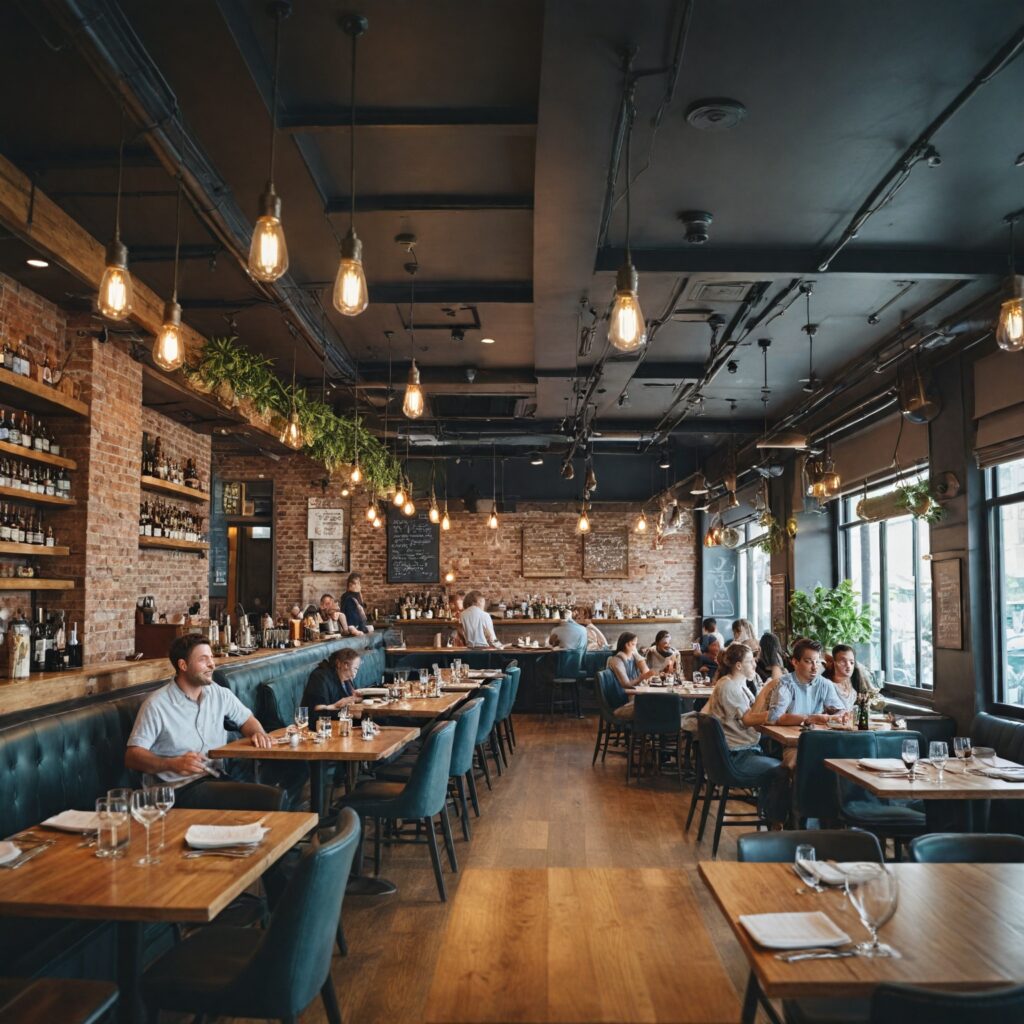
In the current climate of economic uncertainty, the dining habits of Americans are changing. While patrons still frequent restaurants, they are increasingly opting for appetizers instead of pricier main courses. This shift is significant; it indicates a broader trend of consumers becoming more cost-conscious and pragmatic about their dining choices. The term “appetizer economy,” coined by Jim Pazzanese of Buyers Edge Platform, highlights this emerging preference that reflects the economic mindset of many consumers.
The growing inclination toward appetizers can be attributed to a combination of factors, including the ongoing concerns over food inflation and affordability. As consumers face rising prices, particularly in the category of full meals, appetizers present a manageable and often more enjoyable way to dine out. This behavioral change has been evidenced by a notable 20% increase in appetizer orders year-over-year, while sales of entrees and desserts have stagnated or even declined.
Diving Deeper into Consumer Trends
Several factors are driving the surge in appetizer orders. One contributing element is the association of these smaller plates with restaurant promotions and drink specials. Consumers are increasingly recognizing that ordering appetizers can be a more economical alternative, especially when they come accompanied by discounts or bundle offers that make eating out more feasible. For restaurants, focusing on appetizers allows not only for reduced waste but also opens up opportunities for greater flexibility in inventory management.
Moreover, as the food landscape evolves, the movement toward private label food products in grocery stores mirrors similar trends in dining. As consumers seek to cut costs, they’re increasingly leaning toward store-branded options, resulting in a significant change in shopping behavior. This shift has been documented in various surveys, highlighting the increasing acceptance of private labels, which offer savings of approximately 10 to 20 percent compared to national brands. This trend underscores a palpable divide in consumption patterns, aptly described by the term “K-shaped economy,” where high-income earners invest in premium goods while the majority seek budget-friendly alternatives.
Future Implications of Consumer Behavior
As consumers adapt to higher food prices, restaurant operators and grocery chains are likely to continue evolving their offerings to meet this demand. The growth of private label brands could outpace traditional national brands in the coming years, as customers become more discerning about quality and cost. This trend and the move toward personalized promotions appear to be essential strategies for business survival in the current climate.
Looking ahead, industry experts anticipate that the transition to private label products will not only continue but may accelerate as inflation persists. Customers’ understanding of the complexities surrounding food supply chains may need to expand; price relief stemming from reductions in tariffs and improved logistics can take time to manifest. As inflation pressures linger, food service operators may have to adapt quickly to ensure they remain relevant and appealing to financially cautious consumers.
In conclusion, the changing dining habits of Americans reflect a significant shift in consumer behavior, driven by economic factors such as food inflation and affordability. As appetites for appetizers grow and private label products gain popularity in grocery stores, how will restaurant operators and food brands adapt to these evolving consumer preferences? What innovative strategies will they implement to balance cost, quality, and appeal? And how might these changes transform the food industry landscape in the near future?
Editorial content by Blake Sterling