Highlights
– The chief of staff for Libya’s army, Mohammed Ali Ahmed Al-Haddad, tragically died in a plane crash returning from Turkey.
– The plane crash raised concerns about the aircraft’s technical history as investigations proceed.
– Libya has declared three days of mourning, highlighting the significance of Al-Haddad’s role in the military and nation.
Introduction to a National Tragedy
Libya faces a somber moment following the untimely demise of its army chief of staff, Mohammed Ali Ahmed Al-Haddad, who died in a plane crash shortly after an official visit to Turkey. The incident not only represents a devastating loss for Libya’s military but also underscores the tenuous stability the country has been trying to reclaim amid ongoing conflicts. The crash, occurring when Al-Haddad was en route back to Tripoli, has prompted a national outpouring of grief and raised questions regarding the safety protocols in place for officials traveling abroad.
The context of Al-Haddad’s trip to Turkey was significant—Turkish support has been pivotal for Libya’s internationally recognized Government of National Unity (GNU) amid regional disputes. With Turkey recently extending its military presence in Libya, the implications of this tragic event resonate deeply throughout the military and political landscape of both nations involved. It signals a moment of vulnerability for Libya, as its leaders reflect on the future of their national security and political cohesion.
Details and Investigation of the Incident
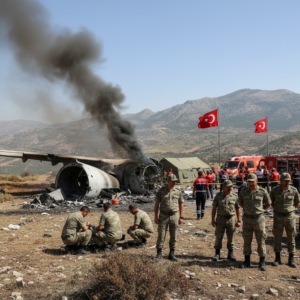
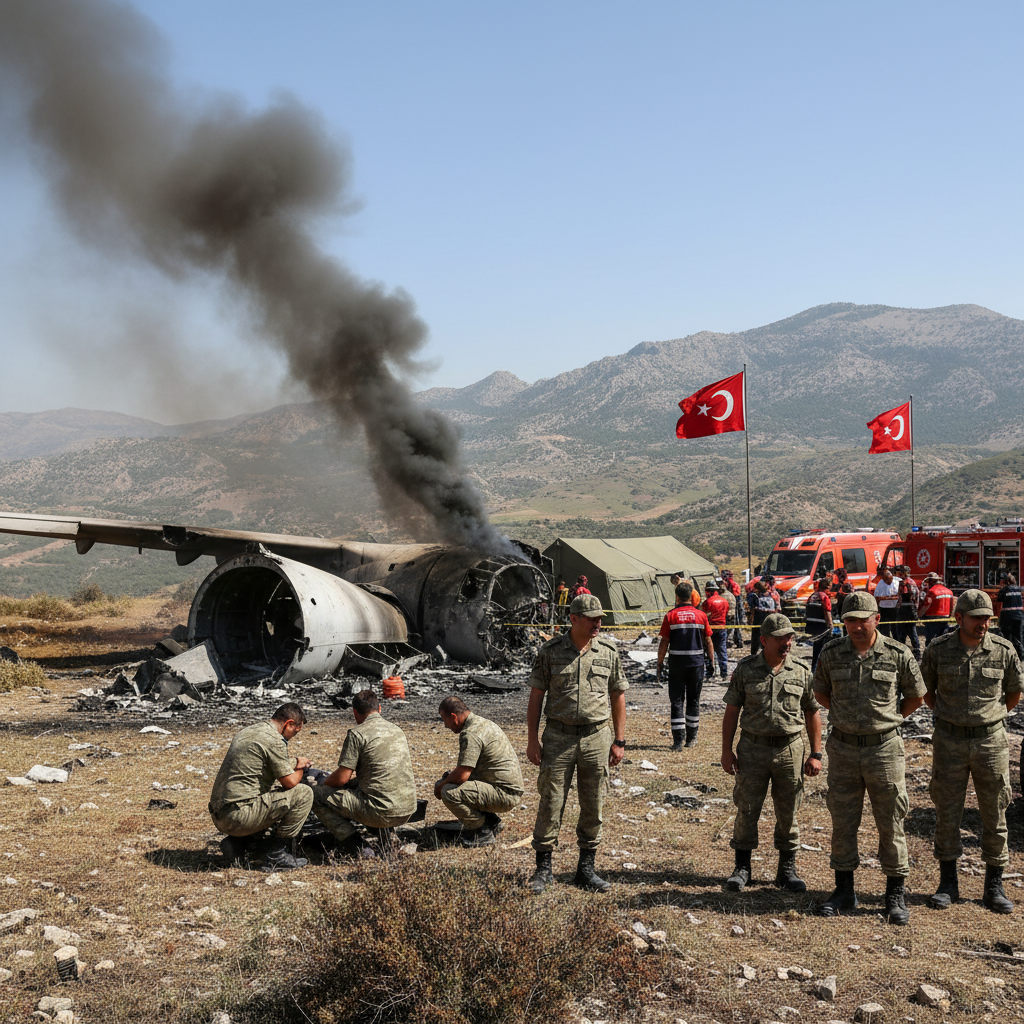
Initial reports indicate that the crash occurred shortly after the Dassault Falcon 50 jet departed Ankara’s Esenboga Airport. According to Turkish authorities, radio contact was lost shortly thereafter, with wreckage later discovered in a rural area near Haymana. In the wake of the incident, Turkish officials noted that an emergency landing was requested but never completed, leaving unanswered questions about the plane’s maintenance and piloting conditions. Turkish Justice Minister Yilmaz Tunc highlighted that a thorough investigation is currently underway to determine the cause of the crash.
Adding to the tragedy, four others were on board, including senior military personnel and a photographer. The Libyan Prime Minister, Abdulhamid Dbeibah, expressed his sorrow over the loss, describing it as a significant blow not only to the military establishment but to the entire nation. As the crash investigation continues, attention will also focus on the aircraft’s history, which has raised concerns about its ownership and technical status. Preliminary findings suggest the jet was a leased Maltese aircraft, which has led to further inquiries into its operational safety.
Implications and Future Prospects
The fallout from this incident could have far-reaching consequences for Libya, both politically and militarily. As a key figure in the armed forces, Al-Haddad’s death may result in a power shift within the military hierarchy, potentially affecting Libya’s stability. Moreover, the ongoing investigation into the crash raises critical questions about air travel safety surrounding VIP personnel and the protocols in place for high-ranking officials. This may necessitate a reevaluation of travel regulations to enhance the security measures for those in leadership roles.
Additionally, the incident comes at a pivotal time for Turkey and Libya, as the latter is currently navigating complex regional dynamics and alliances. The crash could impact Turkey’s military strategy in Libya, where they have long supported the GNU against rival factions. The strengthening of ties between Turkey and Libya was evident prior to this tragedy, but how this will change in light of the loss of such a prominent military leader remains to be seen.
In conclusion, the tragic plane crash that claimed the life of Mohammed Ali Ahmed Al-Haddad serves as a stark reminder of the vulnerabilities facing Libya today. This incident not only marks a significant loss for the military but also raises pressing questions about air travel safety for officials and the broader geopolitical landscape in North Africa. How will this tragedy shape Libya’s military future, and what measures will be adopted to enhance the safety of government officials during travel? Is there a risk that such incidents could destabilize the already fragile political environment in Libya?
Editorial content by Avery Redwood