Highlights:
– BYD’s electric vehicle sales have faced a downturn as weak domestic demand accompanies fierce competition.
– Emerging brands like Leapmotor and Xpeng are experiencing explosive growth due to more accessible pricing.
– Despite overall market challenges, Li Auto has seen sales recover after earlier setbacks.
The Electric Vehicle Landscape in China
The electric vehicle (EV) market in China is experiencing a dramatic shift, with significant implications for both established and emerging automakers. As international events such as the IAA MOBILITY 2025 automobile fair in Munich spotlight the battle for dominance in electric vehicles, Chinese manufacturers like BYD are grappling with sluggish sales and intense price wars. This backdrop has heightened focus on the strategies that different players in the market are employing and the consequences for the industry’s growth trajectory.
The importance of this sector cannot be overstated, as EVs are not only reshaping the automotive landscape but are also integral to China’s broader environmental goals. With domestic demand wavering, the outcomes of these competitive dynamics could fundamentally alter the market’s landscape, potentially determining the pace of EV adoption worldwide.
Emerging Brands Gain Traction
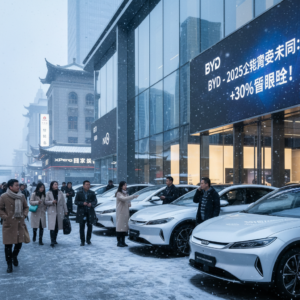
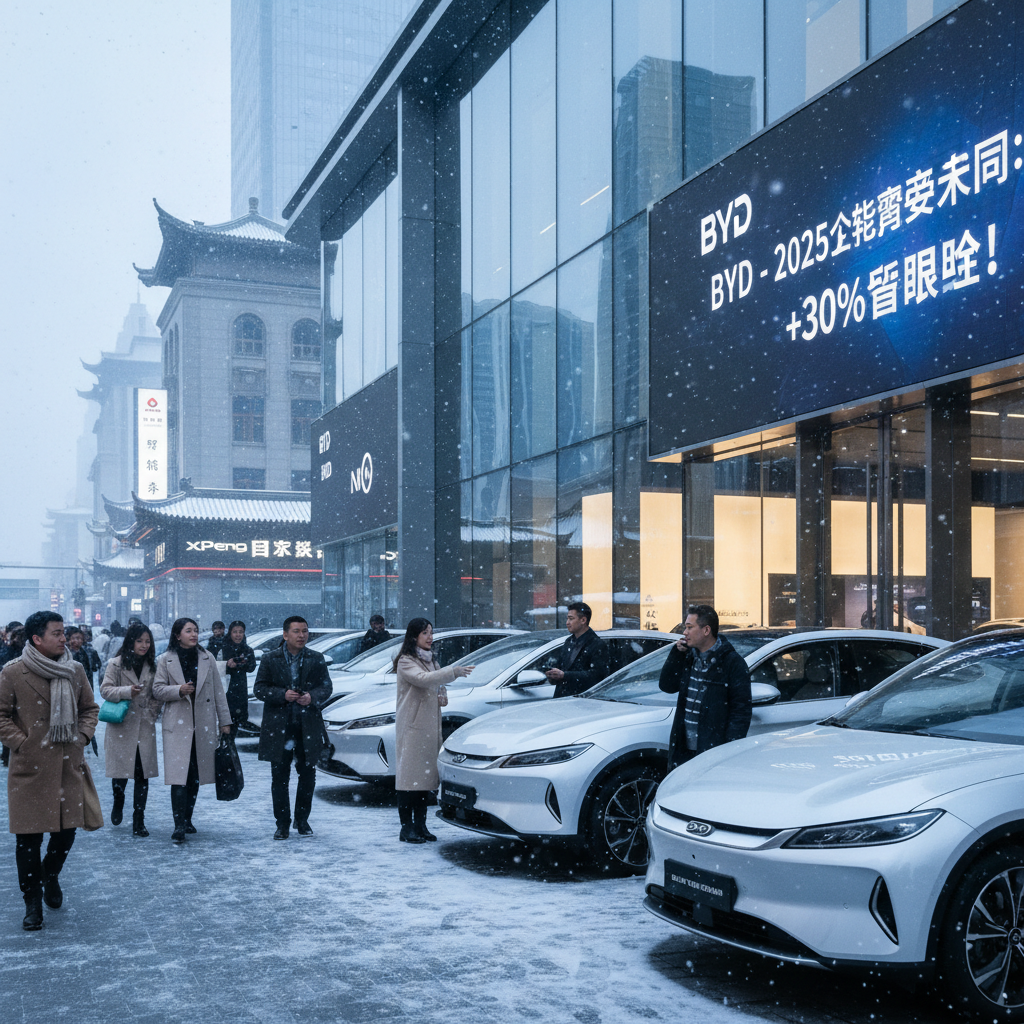
While BYD still retains its position as the leading EV manufacturer, the company’s recent decline in December deliveries highlights the difficulties faced amidst escalating competition and consumer reluctance. Having recorded 414,784 deliveries in December—a drop from 474,921 in November—the company’s adjusted target for 2025 has also seen a noteworthy 16% reduction to 4.6 million vehicles. Still, BYD managed to deliver over 4.54 million vehicles throughout the year, outpacing competitors like Tesla, which has seen more than 735,000 deliveries across its Model Y and Model 3 vehicles in China.
Amid this landscape, a host of emerging brands are making waves. Leapmotor recorded remarkable growth with 596,555 deliveries, outpacing its targets significantly. Similarly, Xpeng saw a 126% increase, delivering 429,445 vehicles, bolstered by the successful launch of its mass-market Mona series. Nio also joined the ranks of rapid achievers, with its 326,028 deliveries marking a 46.9% rise from the previous year, a significant portion of which stemmed from its premium offerings. Such examples highlight that mass-market models and competitive pricing are increasingly becoming the keys to success in this evolving market.
Challenges and Resilience in the Industry
Nevertheless, not every automaker is riding the wave of success. Li Auto’s performance has sharply declined, with 406,343 vehicles delivered in 2025, down markedly from 2024. However, the company has shown signs of recovery, reporting over 44,000 vehicle deliveries in December, amidst a strategic shift that seemed to resonate with buyers. This recovery reflects the underlying volatility within the EV market, which is subject to rapid fluctuations in consumer interest and economic conditions.
On a different note, enterprises like Harmony Intelligent Mobility Alliance, backed by tech giant Huawei, are thriving despite the headwinds. With 589,107 vehicles sold, the coalition of brands like Aito and Chery, has successfully carved out a segment in the competitive space. This adaptability underscores the potential for innovative offerings and partnerships to re-invigorate the market amid broader challenges.
In conclusion, the dynamics of the Chinese EV market are complex and ever-evolving, with established players like BYD facing growing pressure from emerging firms that are redefining success through affordability and innovation. As this competition unfolds, it raises imperative questions for the industry’s future: What strategies will traditional automakers adopt to reclaim market share? How will consumer preferences shape the next wave of electric vehicles? Can the rise of new players lead to a more diversified market landscape, and what implications will this have for environmental goals?
Editorial content by Avery Redwood