Highlights:
– Protests in Iran have escalated significantly, with the government facing widespread dissent over economic issues and demands for political change.
– U.S. President Donald Trump has threatened intervention in Iran if violence against protesters continues, leading to rising tensions with the Iranian regime.
– The situation in Iran remains precarious, with reports of increasing casualties amidst ongoing protests and potential military escalations involving Israel and U.S. bases.
The Hotbed of Discontent in Iran
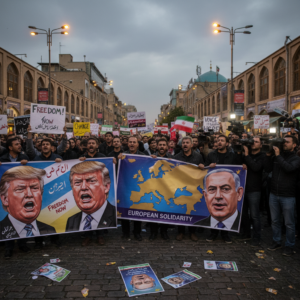
The recent surge of protests in Iran marks a pivotal moment for the nation, as the clerical establishment confronts its largest wave of dissent since the upheaval of 2022. Citizens are voicing their frustrations not only over soaring inflation but also against the overarching grip of clerical power in their lives. The call for change has resonated across the country, catalyzing individuals from various demographics to join in mass demonstrations. As tensions rise, the implications extend well beyond Iran’s borders, drawing the attention of global powers.
The significance of these protests lies in their potential to reshape the future of Iranian governance. Social dissatisfaction is often a precursor to wider political movements, and the current climate reflects a desperate cry for freedom and reform. Meanwhile, the Iranian regime’s response to the demonstrations has been forceful, aiming to silence dissent and preserve its positions of power. The stakes have grown considerably as enthusiastic protesters face violent crackdowns, leading to tragic losses.
The International Response and Key Dynamics
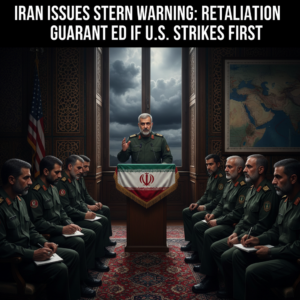
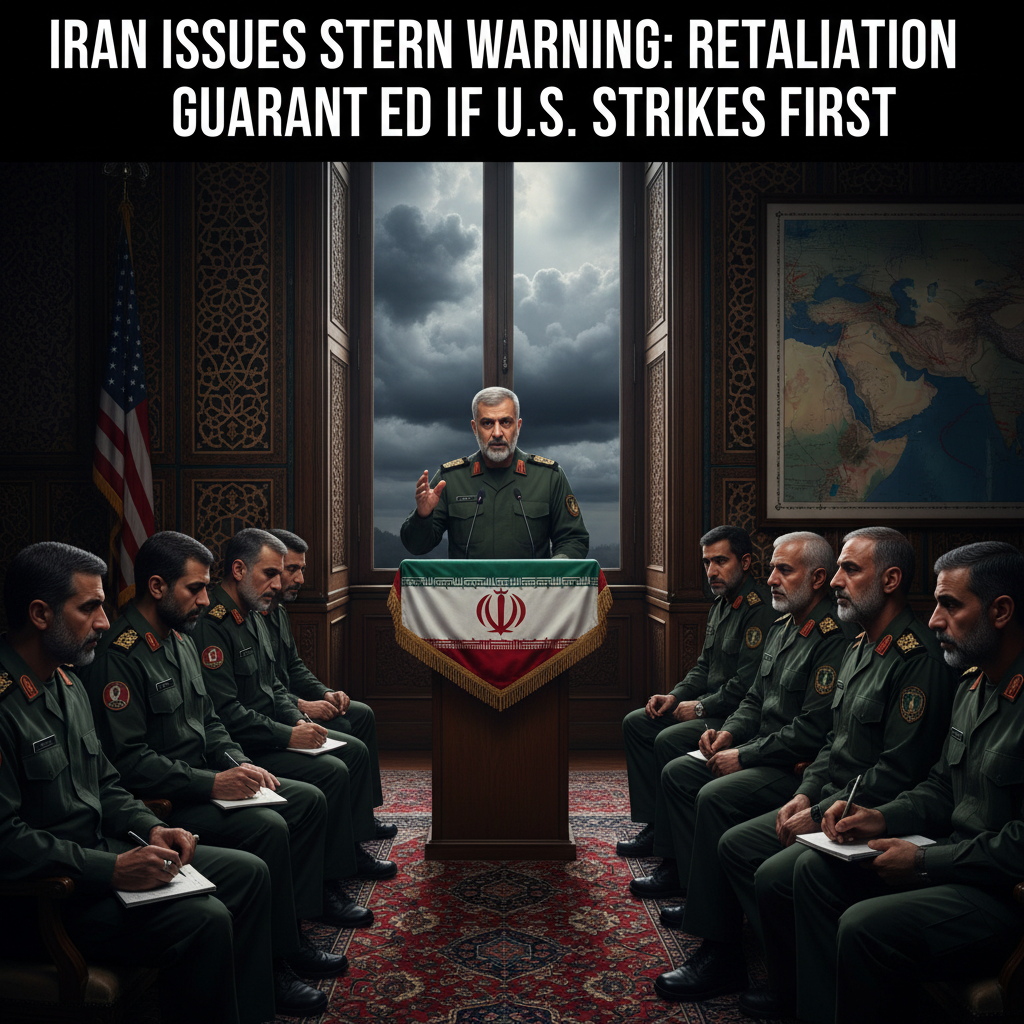
The situation in Iran has garnered international scrutiny, especially from the United States, which has voiced intentions to intervene if necessary. President Trump recently declared that the U.S. stands ready to assist those seeking freedom in Iran, igniting fears of a potential military confrontation. Iranian officials have responded vehemently, warning that any U.S. incursion would target American military assets and Israel, a nation Tehran frequently identifies as a direct rival.
Simultaneously, Israeli security forces are on high alert amid rising tensions and potential fallout from U.S. actions. Recent history shows a pattern of military exchanges between Iran and Israel, culminating in a brief war last June involving U.S. airstrikes. The complexity of these dynamics adds layers of tension to an already volatile situation, where both opposition forces and the Iranian regime seem engaged in a high-stakes game of endurance.
Futures and Consequences: Looking Ahead
As protests continue to unfold across Iran and the international community watches with a wary eye, the potential consequences of either external intervention or internal repression are vast. The U.S. and Israel’s military preparedness raises the stakes for Iran, whose leaders must navigate an intricate balance between quelling protests and avoiding provocation that could invite foreign intervention. The warnings from Iranian officials about targeting U.S. interests pose serious implications for regional stability.
Moreover, this ongoing strife prompts a consideration of what a successful resolution might look like for Iran. With the regime grappling to maintain authority, the prospects for reform and change are fraught with uncertainty. As the world observes, there remains a pressing question: will the Iranian people prevail in their quest for freedom, or will the government stifle dissent through increased violence? It also raises questions about the broader implications for U.S. foreign policy in the region: how should the U.S. balance its interests with the need for diplomatic engagement?
In conclusion, the protests in Iran have emerged as a critical juncture for the country and could redefine its political landscape. As international tensions escalate alongside domestic unrest, what measures can be taken to promote a peaceful resolution? How might the international community support the Iranian populace without escalating conflict? The answers to these questions will shape the future of not only Iran but the stability of the broader Middle East.
Editorial content by Blake Sterling