Highlights:
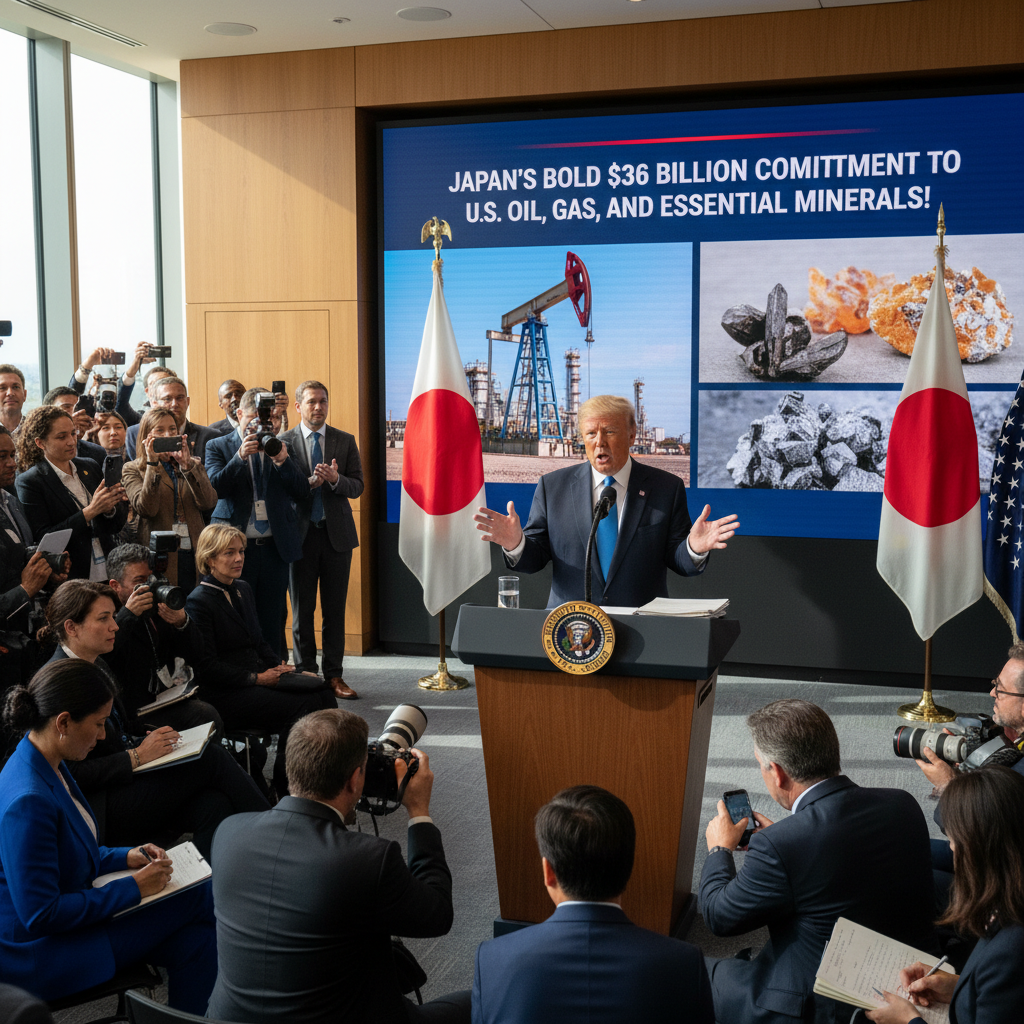
– Japan commits nearly $36 billion to energy and minerals projects in the U.S. as part of a major trade deal with the United States.
– The investments include a historic natural gas facility in Ohio, a deepwater oil export facility in Texas, and a synthetic diamond grit facility in Georgia.
– The initiative aims to enhance economic cooperation between Japan and the U.S., reinforcing the strategic alliance between the two nations.
Introduction to a Transformative Trade Deal
The recent announcement by Japan to invest close to $36 billion in American oil, gas, and critical mineral projects marks a significant milestone in the evolving trade relationship between the United States and Japan. This investment is the first set of commitments under a landmark trade agreement, where Japan has pledged a staggering total of $550 billion towards American initiatives in exchange for reduced tariffs on their imports. Such a promising financial engagement underscores the potential for enhanced economic stability and growth for both nations.
At the heart of this deal lies not just financial commitments, but a strategic partnership focused on mutual benefits. These investments come at a crucial time when both countries are looking to strengthen their economic security and foster sustainable growth. Japanese Prime Minister Sanae Takaichi highlighted that this new wave of investment illustrates their intent to bolster the Japan-U.S. alliance, ultimately providing a platform for business expansion and increased trade between the two countries.
Key Developments and Investments
The most noteworthy venture is a massive natural gas facility planned in Ohio, which is expected to generate an impressive 9.2 gigawatts of power. This project, spearheaded by SB Energy, a subsidiary of Japan’s SoftBank, is projected to be the largest natural gas power facility in history, showcasing Japan’s significant commitment to energy infrastructure in the U.S. Commerce Secretary Howard Lutnick emphasized this project’s scale and its projected implications for energy generation in the region.
Additionally, Japan’s financial backing extends to a $2.1 billion deepwater crude oil export facility located off the coast of Texas, dubbed Texas GulfLink. Once operational at full capacity, it is anticipated to generate up to $30 billion annually in U.S. crude exports. Furthermore, plans for a synthetic diamond grit facility in Georgia, with an investment of approximately $600 million, highlight the importance of advanced materials in industrial manufacturing. These projects exemplify the diverse nature of the investments and their critical role in enhancing both countries’ economic landscapes.
Implications for Economic Growth and Strategic Relations
The ramifications of these investments are far-reaching, extending beyond mere financial implications. They shed light on the strategic importance of fostering international partnerships, particularly in terms of energy security, technology, and resource management. As the U.S. bolsters its energy independence and technological capabilities through these projects, Japan is positioned to strengthen its economic ties and ensure a foothold in American markets.
Looking ahead, the success of these initiatives could inspire further collaborations, setting a precedent for how countries can work together to achieve shared economic and security goals. As both nations work to implement the agreements in the trade deal, the focus will likely remain on transparency, mutual benefit, and fostering innovation.
In conclusion, Japan’s commitment to invest in these significant projects emphasizes the dynamic nature of international trade and relations. As both countries step forward to realize their economic potential together, what other sectors could benefit from such strategic partnerships? How might these initiatives reshape future trade agreements between nations? What lessons can other countries learn from this cooperative model?
Editorial content by Avery Redwood