Highlights:
– Japanese companies have made significant investments in U.S. homebuilders, increasing their market share.
– These acquisitions are part of a broader trend as Japanese firms seek to escape a stagnating domestic housing market.
– The efficiency of Japanese building practices could improve home affordability for U.S. consumers.
The Rise of Japanese Investment in U.S. Homebuilding
In a striking trend, Japanese companies have ramped up their acquisitions of American homebuilders, showcasing a growing confidence in the U.S. housing market. Just last month, Sumitomo Forestry’s acquisition of Tri Pointe Homes for $4.5 billion marked another milestone in this trend. This merger not only consolidates Sumitomo’s presence in the U.S., where it now has five builders under its umbrella, but also reveals a strategic plan to supply 23,000 homes annually by 2030. Such moves are significant, as they signify a shift from prior transactions that targeted smaller firms to nowadays when larger public companies are included in the mix.
The penetration of these Japanese firms into the U.S. market speaks volumes about the long-term vision of global investors. As domestic demand in Japan wanes due to an aging population and limited growth, these companies are seeking new opportunities abroad. Their investments are not just financial transactions; they represent a crucial shift in how homebuilding might evolve in America.
Core Motivations Behind Japanese Acquisitions
Key figures in the industry highlight that Japanese firms traditionally focused on smaller, localized companies, but the recent spate of acquisitions points to a more aggressive strategy. Companies like Sekisui House and Daiwa House have emerged as major players, collectively owning 33 builders in the U.S., thereby commanding nearly 6% of the market share. Their strategy is rooted in recognizing the potential growth in American housing, which seems ripe for investment despite the short-term challenges facing the sector.
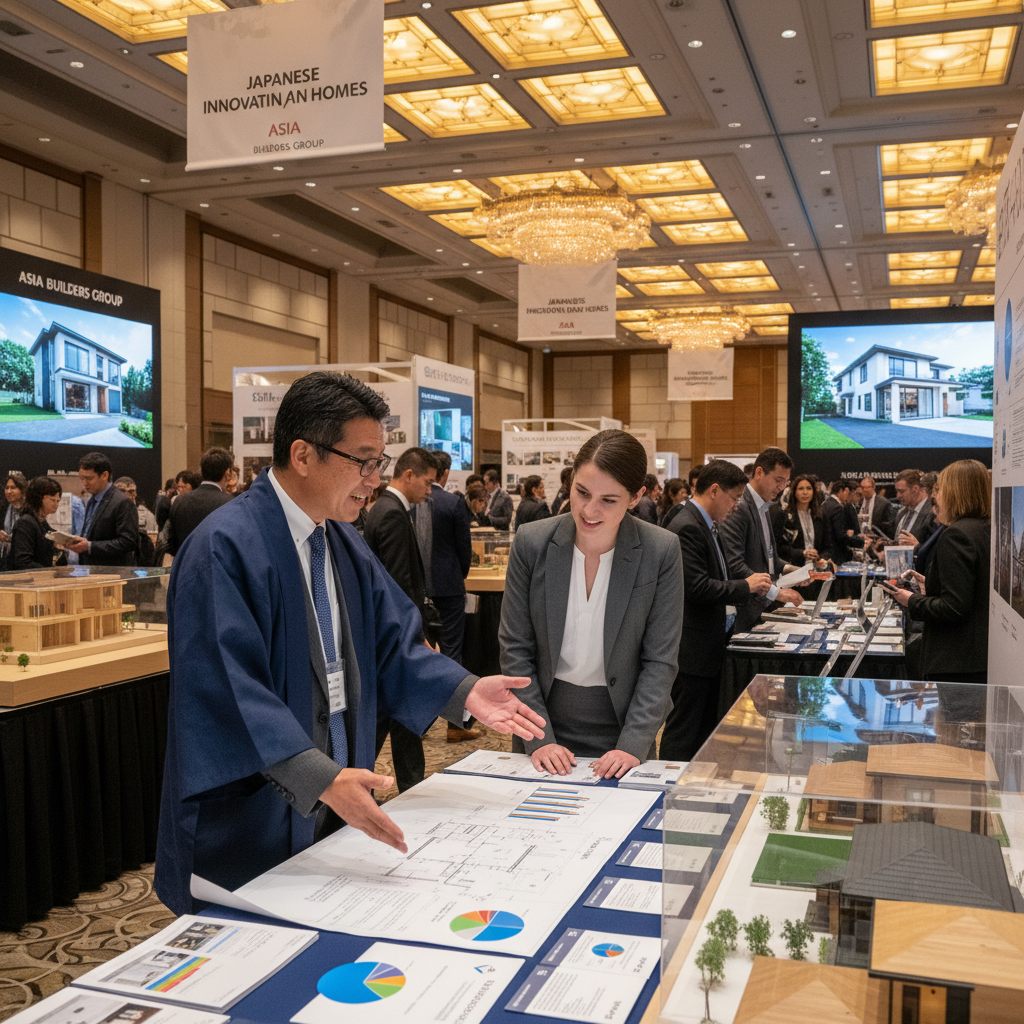
Additionally, these firms bring advantageous practices that could transform home production efficiency. As noted by industry experts, Japanese builders use innovative techniques, such as 3D online modeling, to construct homes. This process not only cuts down on waste but also accelerates the building timeline and lower costs. For American consumers grappling with the housing affordability crisis, this efficiency could translate into better pricing and availability of new homes.
Implications for U.S. Consumers and the Housing Market
The influx of Japanese investment into the U.S. housing sector could have lasting implications for both the market and consumers. With these firms utilizing their well-capitalized funding to bring new construction methodologies to the forefront, there is potential for a more sustainable and affordable housing market. The promise of reduced costs and waste is particularly timely given the ongoing struggles with housing accessibility across the country.
Moreover, this movement reinforces the trend of international capital flowing into American real estate. As traditional builders in the U.S. trade at favorable valuations compared to their historical averages, they become attractive opportunities for these strategic buyers, furthering their footprint in the market. With the cost of capital for Japanese firms being substantially lower, they can target returns that are less demanding than their American counterparts, making their presence a game-changer in achieving affordable housing solutions.
In conclusion, the ongoing trend of Japanese companies acquiring U.S. homebuilders has significant implications for the housing market and potential benefits for consumers. As these firms implement their innovative production practices, will we see a tangible improvement in housing affordability? What other foreign investments might influence the U.S. housing market in the future? How can American builders adapt to remain competitive in a changing landscape?
Editorial content by Harper Eastwood