Highlights:
– Global collectors spent over $600 million last week on classic cars and fine art, defying stock market volatility and geopolitical tensions.
– Art auctions in London hit $550 million, and record prices were achieved for prominent artists and rare collectibles.
– A generational shift in collectors is fueling demand for classic cars and art, as younger buyers emerge amid economic uncertainties.
Resiliency Amid Uncertainty
Last week, affluent collectors showcased remarkable confidence in the luxury markets, pouring over $600 million into classic cars and fine art despite ongoing economic and geopolitical turbulence. Stock market fluctuations and the unrest in the Middle East have typically led to caution among high-net-worth individuals, yet the response from collectors suggests a transformation in mindset. The recent surge in auction totals — which saw London sales exceed $550 million — indicates a resurgence in demand for luxury collectibles as a reliable investment.
The implications extend beyond mere monetary figures; these market dynamics reflect a broader trend of wealth consolidation among the elite. As traditional financial markets display volatility, collectors are increasingly turning to art and classic cars as safe assets. This phenomenon underscores the significance of alternative investments in uncertain times and highlights the growing desire for tangible assets among the affluent.
Core Dynamics of Luxury Auctions
The latest auction results reveal a competitive landscape where bidders from over 40 countries vied for coveted pieces, pushing prices beyond initial estimates. Noteworthy transactions included a $21.5 million self-portrait by Francis Bacon and a $35.2 million sculpture by Henry Moore, setting new records. The auction houses — Sotheby’s, Christie’s, and others — reported a notable absence of supply, often the primary factor affecting pricing power in auctions. Following landmark sales, many mega-collections remain off the market, limiting the availability of extraordinary art.
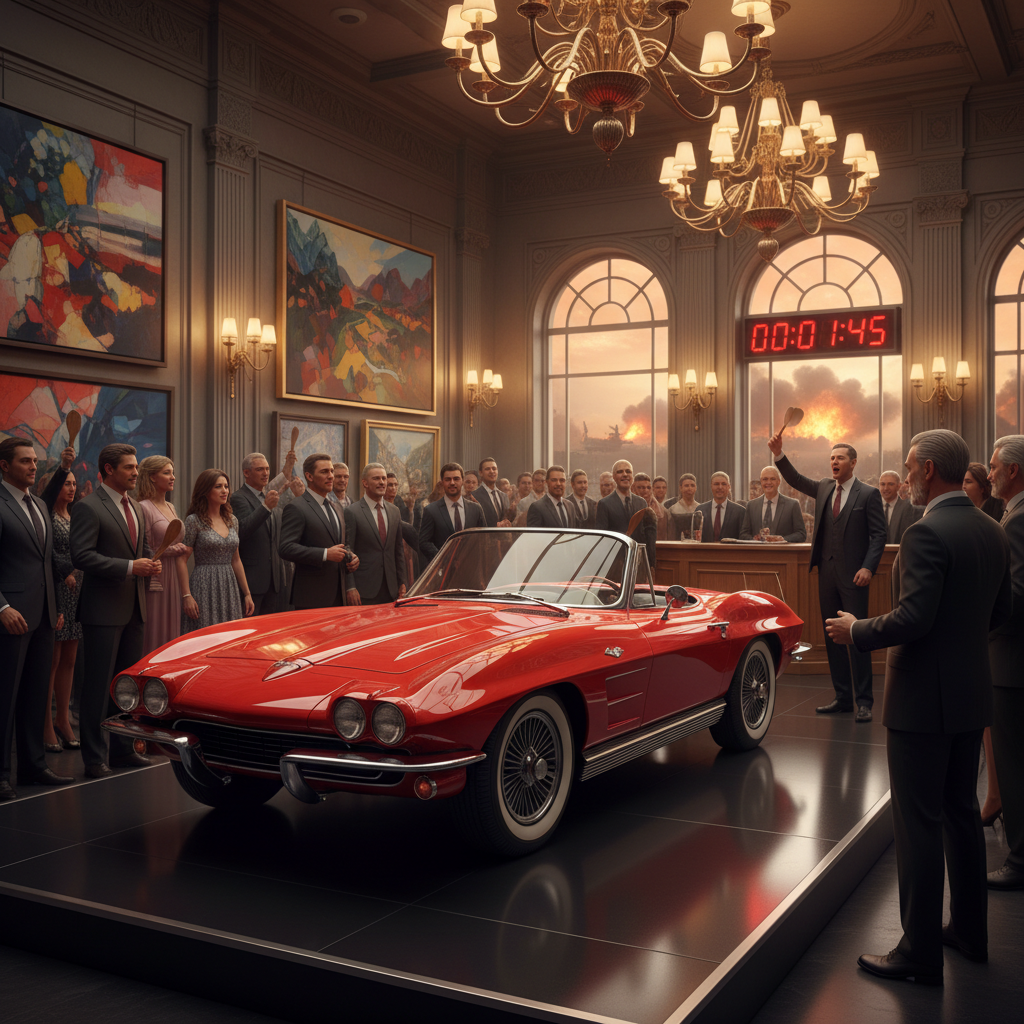
Moreover, the excitement in the classic car segment is palpable, with Broad Arrow Auctions securing a staggering $111 million at the Amelia Island Concours. The event drew attention with high-priced sales, including a $15 million Ferrari Enzo. Experts attribute this surge to a blend of quality offerings and a shift in buyer demographics, as younger collectors eager for investment opportunities enter the scene. This infusion of fresh capital invigorates the market with innovative interests that resonate with the lifestyle and values of a new generation.
Looking Forward: Economy Meets Collectibles
The current landscape indicates a potential for sustained growth in the luxury collectibles market, fueled by evolving consumer preferences and generational shifts. Experts note that younger collectors are not only increasing the demand for traditional art and classic cars but are also diversifying into unique collectibles ranging from sneakers to luxury goods. This shift demonstrates an adjustment to a landscape reshaped by digital technology and changing cultural values.
As the wealth of the top one percent continues to grow — now exceeding $55 trillion — the potential for investment in art and collectibles remains robust. Analysts suggest that the market may evolve, favoring high-quality, established artists over speculative modern pieces, establishing a more stable foundation for future growth. Yet, the enduring question remains: How will economic uncertainties influence collector behavior in the long term? Will younger investors sustain their passion for traditional assets, or will new trends emerge to redefine the collectibles market?
In summary, the luxury collectibles market’s recent resurgence amid global uncertainty signals growing confidence among affluent consumers. As we observe this evolving landscape, it prompts deeper questions: What strategies will collectors adopt to navigate future economic challenges? How will the intersection of technology and collectibles shape the future of investment in art and classic automobiles?
Editorial content by Avery Redwood