Highlights:
- The ongoing Iran war and heightened geopolitical tensions are straining the automotive market in the Middle East.
- Luxury brands such as Porsche, Mercedes-Benz, and Ferrari are thriving in this region, despite potential threats from the conflict.
- Market analysts predict a growth rate of up to 8% for the luxury vehicle segment, contingent on the conflict’s duration and effects.
Introduction to a Volatile Landscape
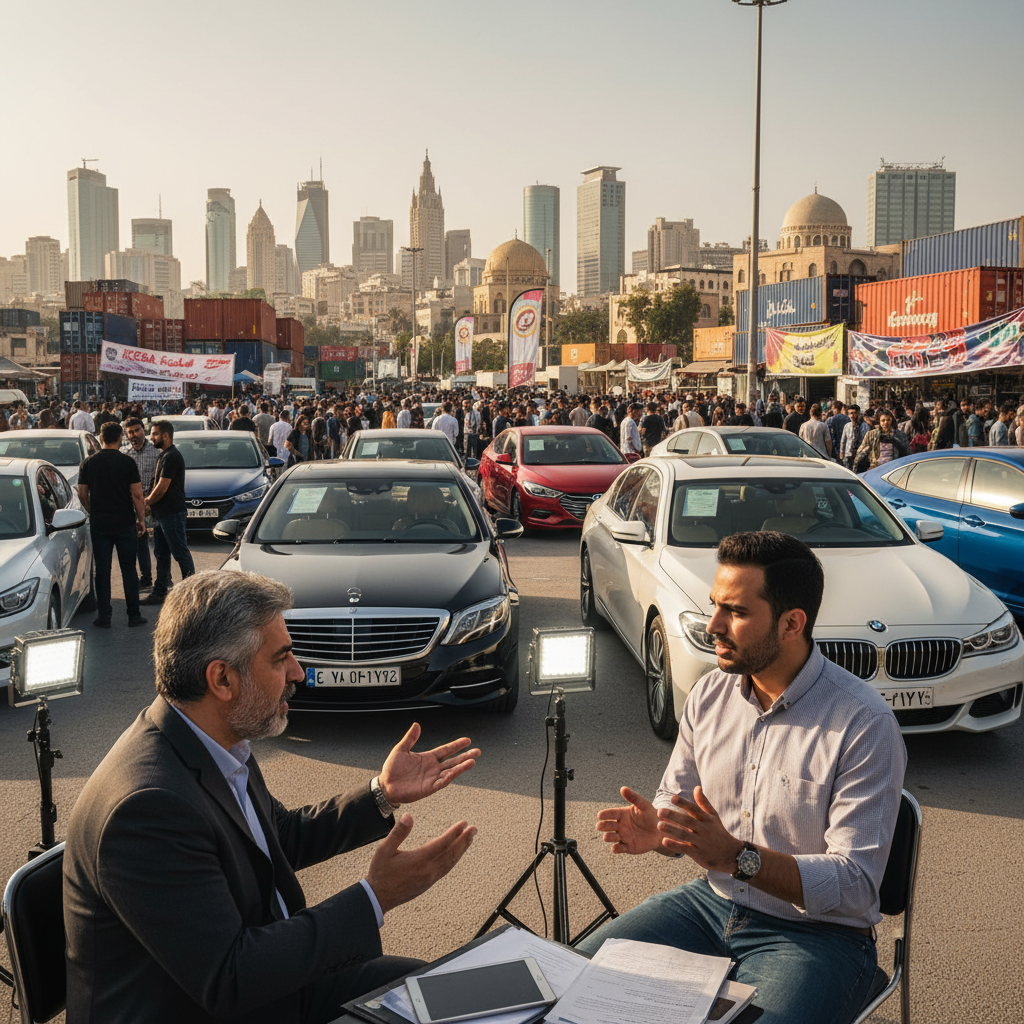
The automotive industry in the Middle East currently grapples with significant challenges brought by the ongoing Iran war and rising geopolitical unrest. For European luxury and performance car brands, this turmoil poses both immediate risks and longer-term implications. Companies like Porsche, Mercedes-Benz, and BMW have a flourishing presence in the region, which, while smaller in overall sales volume compared to the United States, yields higher profit margins that are increasingly crucial for their business strategies. As these brands face declining market shares in larger economies, the importance of regions like the Middle East is magnified.
The context surrounding these developments is critical; the Middle East has emerged as one of the highest-margin growth areas for premium automakers. With annual vehicle sales in the region sitting around 3 million, it’s essential to examine how geopolitical tensions could disrupt this lucrative market. Luxury brands have turned their focus to these high-potential areas, particularly as they navigate challenges in key markets like China and the United States, where tariffs and competition are on the rise.
The Heart of the Market
The data reveals that Iran comprises a substantial portion of vehicle sales in the region, accounting for 38% according to Bernstein Research. Key players in the domestic market, such as Iran Khodro and SAIPA, dominate local sales with limited international presence. However, the true luxury demand is concentrated in wealthier Gulf markets, especially in Saudi Arabia and the United Arab Emirates. In these regions, a pronounced appetite for luxury brands has emerged, with premium imports constituting about 20% of total vehicle sales in the UAE alone.
Impacted brands, including Volkswagen’s Porsche and Audi, are currently reevaluating their strategies in light of the Iran war. Executives have acknowledged the possibility of weakened demand for their luxury vehicles, forcing a reassessment of supply chains and market approaches. Meanwhile, brands like BMW and Mercedes-Benz report strong yearly growth, as they capitalize on the increasing sales of high-performance models. Mercedes-Benz’s proactive approach includes expanding their presence across multiple Gulf states, demonstrating a commitment to maintaining momentum in a tumultuous environment.
Looking Ahead: Challenges and Opportunities
The multifaceted implications of the Iran war on the automotive industry underscore a precarious balance of opportunity and risk. Analysts predict potential growth in the luxury segment at a compound annual growth rate of 7% to 8%, hinting at resilience in consumer demand despite the surrounding instability. However, the outlook remains contingent upon the war’s progression, with short-term restrictions on travel and consumer mobility potentially impacting showroom traffic.
Notably, the market landscape will ultimately hinge on how long the conflict endures and the eventual stability that follows. The luxury vehicle segment in the Middle East is poised for growth, but external factors such as economic volatility threaten to dampen consumer spending on high-ticket items. As automakers navigate these turbulent waters, ongoing market monitoring and adaptive strategies will be crucial to sustaining growth.
In conclusion, the intersection of luxury automotive brands and geopolitical tensions creates a fascinating yet challenging environment for the industry in the Middle East. How will luxury automakers adapt to the ongoing challenges? What strategies can they employ to safeguard their interests? And how might consumer preferences evolve in response to these evolving geopolitical landscapes?
Editorial content by Blake Sterling