Highlights
- Iran proposes opening the strategic Strait of Hormuz if U.S. military pressure is eased.
- The ongoing conflict in the Middle East has raised global economic concerns, especially regarding oil supply.
- The G7 countries condemn Houthi attacks and support Saudi Arabia amid rising tensions.
Introduction: A Critical Intersection of Diplomacy and Security
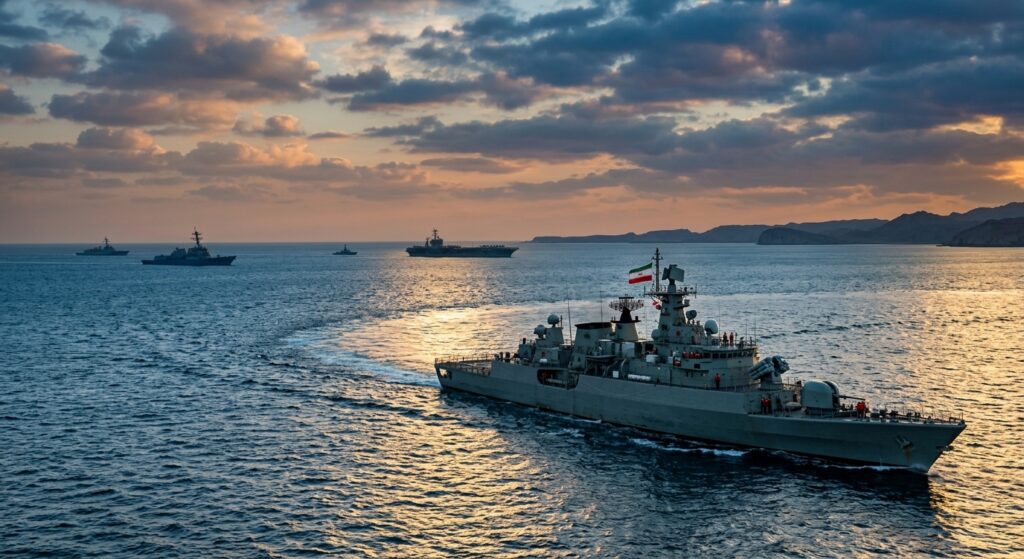
The geopolitical landscape surrounding the Strait of Hormuz, a crucial maritime route through which approximately 20% of the world’s oil supply flows, has shifted dramatically recently. Following nearly seven months of escalating conflict involving the U.S. and Iran, the possibility has emerged for renewed diplomatic efforts between these two nations. Iran’s recent declaration suggests that it could reopen the Strait within a week, contingent upon the U.S. reducing its military presence and lifting the blockade on Iranian ports. Such a move could significantly affect global oil prices and international relations.
This situation is not merely a local concern; it holds global significance, as the Strait of Hormuz has long been seen as a pivotal chokepoint for energy supplies. With the Trump administration intensifying its economic sanctions against Iran, the tension has reached a boiling point. As regional and global players consider their strategies, the ramifications of these geopolitical decisions could reshape the international oil market and economic stability.
Exploring the Current Tensions and Reactions
Reports reveal heightened concerns related to the Strait of Hormuz, especially after U.S. military threats have loomed large over Iran. Media outlets, including Reuters and Kyodo, have cited an anonymous senior Iranian official laying out conditions for reopening the Strait. This potential reopening is intertwined with broader conflicts in the region, directly impacting oil prices and global markets. Following the news of Iran’s offer, stock index futures displayed mixed results, while oil prices saw a decline, reflecting traders’ nervousness about the ongoing instability.
U.S. Treasury Secretary Scott Bessent has made it clear that the pressure on Iran is unprecedented, stating on CNBC that measures will be taken to hinder Iranian airlines, including a potential shutdown of their operations. By targeting Iran’s financial enablers globally—most recently sanctioning banks and other partners—the U.S. hopes to isolate Tehran economically. The strategic significance of these actions cannot be underestimated, as they directly influence how Iran, and by extension, its allies, may respond.
Implications and Global Responses
The implications of these developments stretch beyond the immediate geopolitical arena. The G7 nations have condemned the continued military actions taken by Houthi rebels, linked to Iran, against Saudi Arabia and civilian shipping in the region. This collective stance emphasizes an international effort to stabilize the situation, as the ongoing conflict threatens to disrupt global energy supply chains further. The G7 has urged both the Houthis and Iran to cease hostilities, highlighting the collective responsibility to ensure safe passage for maritime traffic in pivotal regions like the Bab el-Mandeb Strait and the Strait of Hormuz.
In response to the brewing conflict, the U.K. has pledged support to Saudi Arabia, providing air refueling capabilities to protect against Houthi attacks. With Trump’s administration reportedly hesitant to support military strikes, these actions by the U.K. indicate a willingness among Western allies to step in where necessary. As NATO also considers providing support, the international community must address how they will collectively navigate this complicated web of alliances and oppositions moving forward.
Conclusion
In summary, the potential reopening of the Strait of Hormuz hinges on diplomatic negotiations between Iran and the U.S., with significant implications for global oil supply and international security. The ongoing conflict is not only central to regional dynamics but also presents challenges on a broader economic scale. As discussions continue, the question remains—what would be the long-term effects of renewed tensions in the Middle East? How can nations ensure the safety and stability of essential trade routes? What diplomatic strategies can effectively address the multifaceted issues stemming from this conflict?
Editorial content by Harper Eastwood