
Highlights:
– Mortgage rates are decreasing, making homes more affordable, but down payments remain a major hurdle for first-time buyers.
– Recent data shows a mixed landscape for home prices across the U.S., with some cities experiencing gains while others see declines.
– Improved supply of homes and a rise in pending sales indicate a responsive market that is slowly adapting to changing economic conditions.
The State of Home Affordability
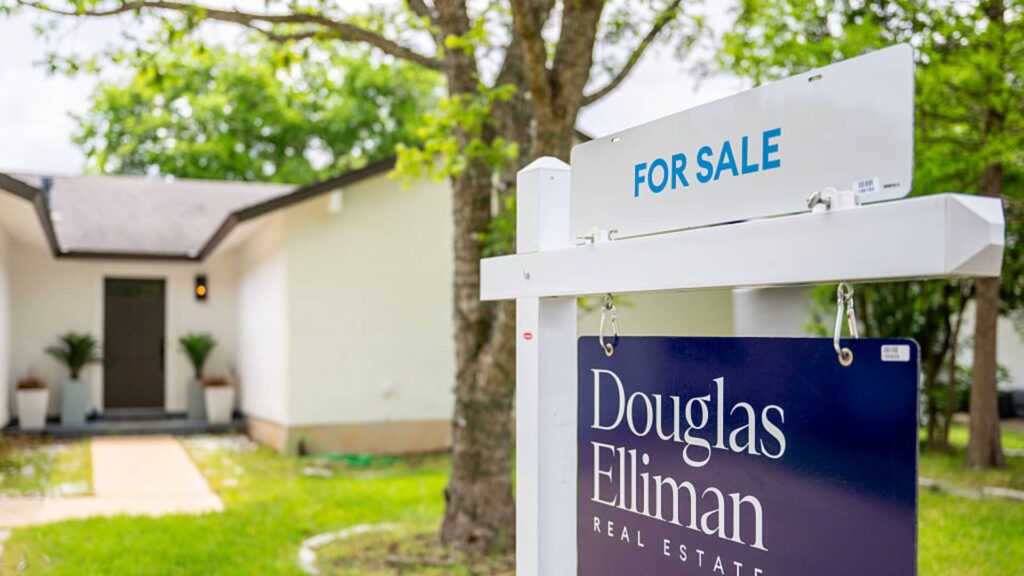
In recent months, the real estate market has shown signs of emerging from its prolonged slump. With mortgage rates trending downward and a slight easing of home prices, a new window of opportunity for potential homebuyers is beginning to open. Although these factors typically suggest improved buying conditions, the reality remains complex, as first-time buyers continue to face significant challenges, particularly in the form of down payments. Understanding the dynamics of this shifting market is crucial for both prospective homeowners and investors alike.
Nationally, home prices have plateaued with only a slight increase of 0.3% compared to the previous year, as reported by Parcl Labs. This minimal inflation in home prices stands in stark contrast to the rising consumer inflation, suggesting that, when adjusted for inflation, the actual value of homes may be declining. Major metropolitan areas like Chicago, New York, and Cleveland have experienced noteworthy price increases, while others such as Tampa, Phoenix, and Dallas find themselves grappling with losses. The divergence in price trends further underscores the necessity for potential buyers to navigate carefully and strategically within their local markets.
Market Dynamics and Trends
The decline in mortgage rates plays a pivotal role in shaping the current real estate landscape. As of now, the average 30-year fixed mortgage rate is hovering around 6.19%, a significant reduction from above 7% at the start of the year. This change greatly benefits homebuyers, with average monthly mortgage payments being approximately $200 lower than a year prior for those putting 20% down on a median-priced home valued at $410,000. Consequently, these factors are beginning to shift the affordability equation for first-time buyers who were previously sidelined due to rising costs.
However, the greatest hurdle still lies in the realm of down payments. The time required for consumers to save for a down payment has declined from 12 years, a peak reached during 2022, to approximately seven years, yet this remains significantly longer than pre-pandemic averages. Paradoxically, while active listings are about 12% higher compared to last year, they still lag 6% behind levels observed before the pandemic. This combination of factors appears to be rekindling interest in the market, with pending home sales showing an unexpected uptick in November, reflecting a growing willingness among buyers to engage—with new listings and better affordability serving to enhance their confidence.
Looking Forward: Opportunities and Obstacles
As we move into 2024, the implications of these housing market trends are profound. The increase in inventory coupled with lower mortgage rates signifies a potential recovery for the market. Economists like Lawrence Yun highlight how the improved affordability and accelerating wage growth, which outpaces home prices, may encourage even more buyers to re-enter the fray. Education around financial planning and creative financing solutions could be instrumental in assisting those who find the down payment a formidable obstacle.
On a broader scale, the evolving dynamics in the real estate sector may serve to reshape consumer expectations and behaviors. With several metropolitan areas exhibiting starkly different price trajectories, localized strategies will prove essential for both buyers and real estate professionals. It raises an important reflection on how long the current affordability landscape might last, and how persistent challenges—such as down payment requirements—will influence long-term homeownership trends.
In conclusion, while the easing of mortgage rates and home prices provides a glimmer of hope for potential buyers, overcoming the barrier of down payments remains the central challenge. As the market shifts in response to these economic signals, how will first-time buyers adapt? What role will local policies play in enhancing home accessibility? And ultimately, can we expect sustained improvements in housing affordability moving forward?
Editorial content by Harper Eastwood