Highlights:
– Moody’s Analytics predicts the Federal Reserve will lower interest rates aggressively in early 2026 due to a weak labor market and inflation concerns.
– Market expectations currently suggest only modest rate cuts, with some analysts forecasting up to three quarter-point reductions before midyear.
– Political pressure, especially if Trump appoints loyalists to the Fed, may further influence the central bank’s decisions on interest rates.
The Federal Reserve’s 2026 Outlook: Rate Cuts Ahead
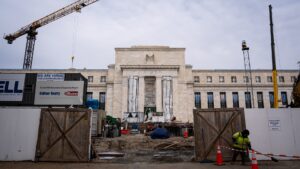
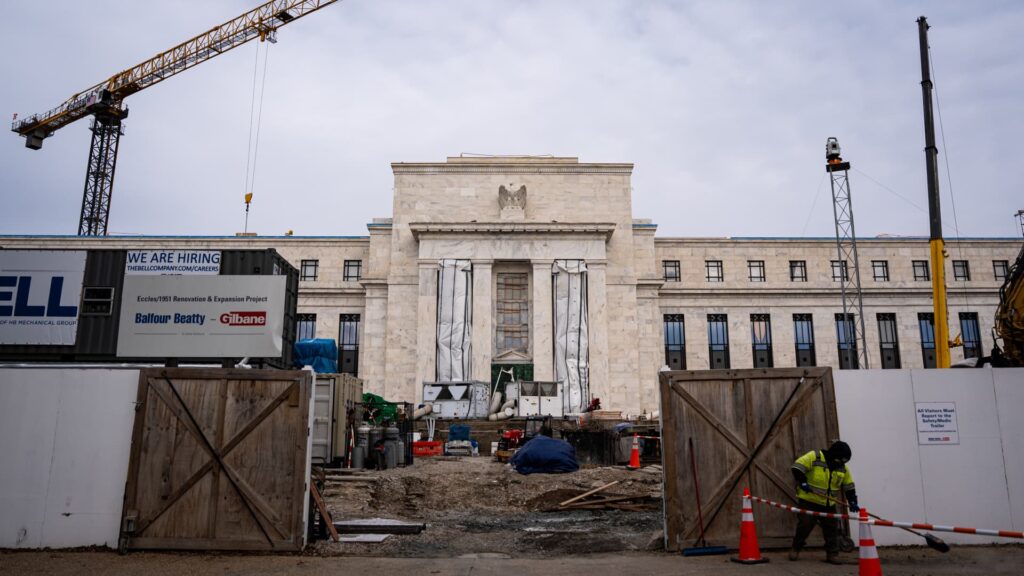
As we step into a new year, the Federal Reserve’s monetary policy remains a topic of significant concern among economists, policymakers, and financial markets. In a revealing forecast, Mark Zandi, the chief economist at Moody’s Analytics, has made a compelling case for aggressive interest rate cuts in early 2026. His analysis highlights the implications of a faltering labor market coupled with ongoing inflation uncertainties, suggesting that the Fed may not have much choice but to respond decisively in the coming months.
The importance of this projection cannot be overstated. Interest rates play a crucial role in the broader economic environment, influencing everything from borrowing costs for businesses to mortgage rates for homeowners. As the nation grapples with labor market challenges and rising unemployment, the Fed’s decisions will shape the economic landscape and affect the pace of recovery following previous disruptions.
Economic Indicators and Fed Predictions
Zandi expects the Federal Reserve will implement three quarter-point cuts before midyear, contrasting sharply with current market expectations that suggest only two modest cuts. This divergence showcases the varying stances held amongst financial analysts and the Federal Reserve itself, indicating a more cautious approach among Fed policymakers. Indeed, recent signals from the central bank’s officials imply that they foresee only one cut throughout the entire year, reflecting a careful balancing act as they navigate the uncertain economic terrain.
Central to Zandi’s forecast is the ongoing flagged job market, with businesses hesitating to resume hiring amid fears of volatility stemming from changing trade and immigration policies. The projected increase in unemployment rates serves as a further rationale for the Fed’s anticipated actions. Zandi argues that ongoing political pressures, especially with the potential reshaping of the Fed’s leadership under President Trump, could hasten the pace of these cuts. His remarks highlight the intertwined relationship between economic indicators and political dynamics at play within the Federal Reserve.
The Potential Impact of Political Dynamics
Zandi suggests that the political environment may significantly impact the Fed’s approach to interest rates. As Trump maintains his influence over the appointment of Fed leaders, the independence of the central bank is perceived to be at risk, raising questions about its decision-making process. With Trump’s history of advocating for lower interest rates, the potential alteration of the Federal Open Market Committee’s composition could create pressure to align more closely with his economic vision, especially in an election year.
The implications of such a shift are twofold. On one hand, lower interest rates could stimulate economic growth, encouraging investment and potentially reducing unemployment. On the other, this may also lead to concerns over monetary policy being driven by political considerations rather than pure economic fundamentals, potentially undermining the Fed’s longstanding reputation for independence and objective decision-making.
In summary, Mark Zandi’s forecast for 2026 indicates an aggressive stance on interest rates driven by economic challenges and political pressures. As we navigate this uncertain terrain, it raises important questions: What impact will these potential rate cuts have on the broader economy? How might changes in leadership within the Fed affect its independence and decisions? And how should markets and consumers prepare for the upcoming shifts?
Editorial content by Harper Eastwood