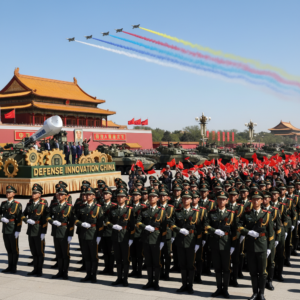
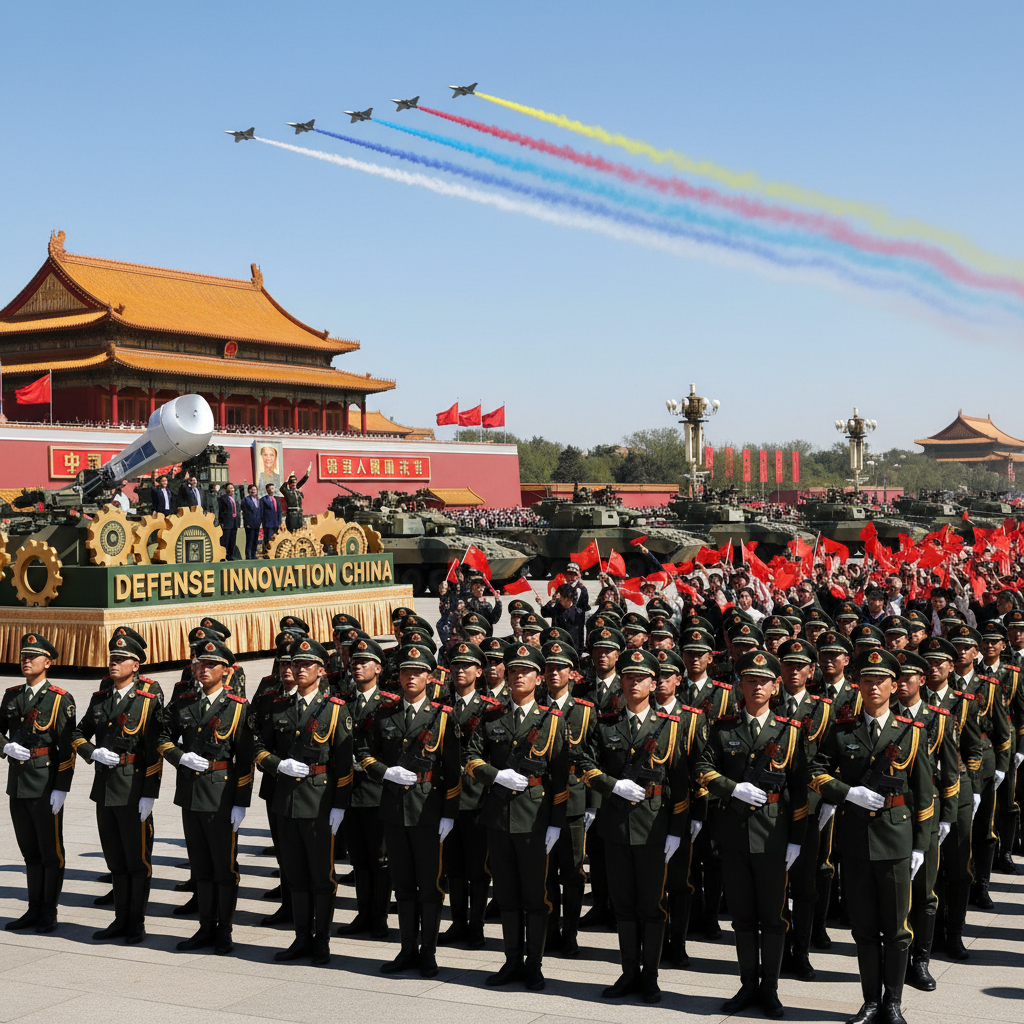
China’s liquid-fueled intercontinental strategic nuclear missiles DongFeng-5C, which have a global strike range, pass through Tian’anmen Square during the V-Day military parade on September 3, 2025 in Beijing, China.
China News Service | China News Service | Getty Images
Highlights
- China’s defense spending is set to increase by 7%, the slowest rise since 2021.
- The budget proposal coincides with heightened global tensions, particularly in the Middle East and regarding Taiwan.
- China is solidifying its position as the second largest military spender globally, following the United States.
Introduction: A New Phase in China’s Military Strategy
In a significant move that could reshape the dynamics of regional security, China’s Ministry of Finance announced a 7% rise in defense spending for the upcoming year, marking the slowest growth rate since 2021. The decision arrives amid escalating conflicts in the Middle East and ongoing disputes over Taiwan, signaling a potential pivot in China’s military priorities and strategic calculus as it responds to an increasingly complex global landscape. This decision raises important questions about China’s defense posture and its implications for regional and international security.
For years, China’s military budget has been on a steady upward trajectory, with a consistent annual rise to bolster its military capabilities, reflecting a determination to modernize its armed forces. This year’s budget proposal indicates a relative slowdown despite China’s ambition to accelerate advancements in its combat capabilities and modernization efforts. The implications of this budgetary decision are significant, both for China and its neighbors in Asia, as well as for global powers monitoring China’s military growth.
Core Aspects: Comprehensive Defense Enhancement
The newly proposed defense budget comes at a time when China is emphasizing the importance of developing high-quality military capabilities. An official work report released during the announcement underscores commitments to advanced technologies and comprehensive improvements in military infrastructure, detailing the successful commissioning of the Fujian, China’s first domestically built aircraft carrier. Such developments not only reflect technological advancements but also bolster China’s operational readiness in asserting its influence in disputed territories, particularly in the South China Sea and toward Taiwan.
Analysts contend that while the official budget is $244.99 billion, the actual spending may be significantly higher due to factors that remain off-budget, which includes investments in research, and development of weapon systems. According to the U.S. Department of Defense, estimates suggest that China’s true defense spending could be between $304 billion and $377 billion. Such figures highlight the extensive and ongoing military expansion, reinforcing China’s status as a behemoth in global military spending, second only to the United States and accounting for a growing share of defense expenditures in Asia.
Implications: A Shift in Global Dynamics
China’s decision to slow the growth of its military budget is juxtaposed against a backdrop of international tension, particularly concerning Taiwan and the evolving geopolitical landscape in the Middle East. The Chinese government has made it abundantly clear that it will continue to counter “separatist forces” advocating for Taiwan independence. This bold stance indicates a commitment to territorial sovereignty that could lead to increased military posturing in the region, further heightening tensions. As China redefines its military budgetary patterns, it forces neighboring countries and global powers to reassess their defense strategies.
Moving forward, the international community must grapple with the ramifications of China’s military expansion and budgetary decisions. Nations in Asia, particularly those in proximity to China, will likely need to enhance their own defense spending or forge new alliances to maintain a credible deterrent against potential aggression. As China asserts its military strength, global allies will need to balance diplomatic efforts with preparedness for an unpredictable future, sparking debates around defense spending and strategic collaborations worldwide.
Conclusion
This year’s anticipated increase in China’s defense budget, while modest compared to previous years, provides insight into the shifting nuances of its military strategy amid rising tensions on multiple fronts. The balance between modernization and fiscal restraint may have broader implications for regional and global security dynamics. What does this trend mean for neighboring countries? How should global powers adjust their military strategies in response? And what role will diplomatic negotiations play in mitigating rising tensions with China?
Editorial content by Sierra Knightley