Highlights:
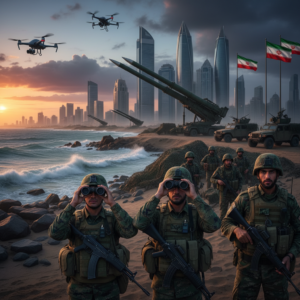
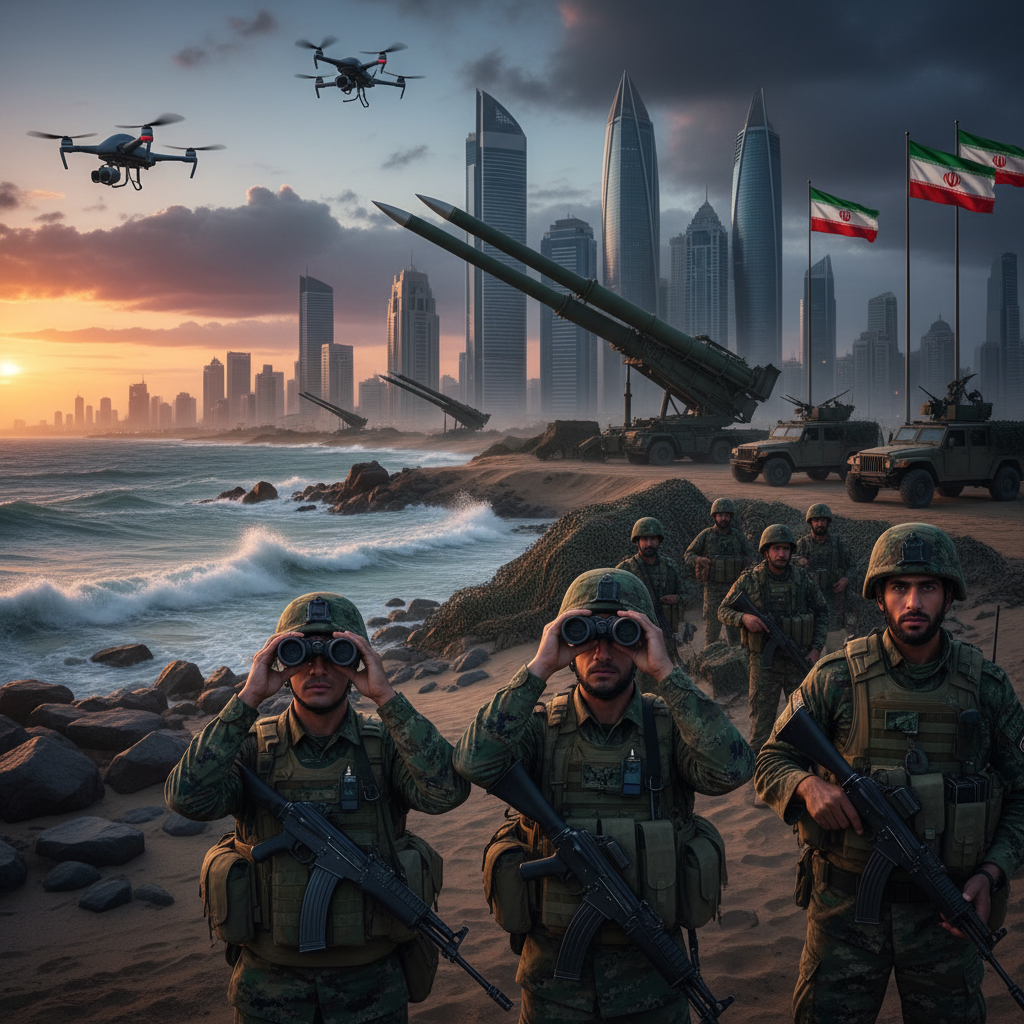
– Gulf states face escalating threats and infrastructure damage amid Iranian retaliation for U.S. and Israeli strikes.
– Iran announces a new supreme leader following the death of Ayatollah Khamenei, heightening regional tensions.
– Israeli forces continue to target Iranian military facilities, further complicating the already volatile situation.
Understanding the Rising Tensions in the Gulf
The geopolitical climate in the Gulf region has taken a dangerous turn as Iran engages in aggressive military actions against its neighbors, particularly in response to ongoing U.S. and Israeli interventions. As reports reveal significant infrastructure damage across Gulf states, the humanitarian and economic implications are becoming increasingly alarming. Understanding the complexities of this situation is essential as it affects not only regional stability but also global security dynamics involving major international powers.
The recent announcement by the United Arab Emirates (UAE) about dealing with incoming missile threats highlights the precarious state of security in the region. Alarming accounts of alarming sirens and explosions in major urban centers like Dubai and Abu Dhabi illustrate the fear that now prevails among residents. With a high-rise building in Dubai—23 Marina—sustaining damage from drone debris, the concrete realities of conflict shape everyday life in the Gulf.
The Core of the Conflict: Attacks and Retaliation
Since the onset of hostilities on February 28, Iran has launched a series of drone and missile strikes targeting crucial infrastructure across the Middle East. Reports indicate that radar and air defense systems in countries such as Qatar and Saudi Arabia have come under fire as Iran retaliates against U.S. and Israeli operations. The situation not only endangers military targets but reportedly also impacts civilian life, as demonstrated by drone attacks on a water desalination plant in Bahrain, which, fortunately, did not affect water supplies, according to authorities.
Increasing violence transcends military exchanges. In Kuwait, fuel depots at the international airport were struck, leading to significant fires, while missile fragments injured civilians in Bahrain. Moreover, with Iranian state media confirming that a new leader was appointed following the assassination of Supreme Leader Ayatollah Khamenei, the stakes have only grown higher. The situation raises questions over Iran’s future leadership and what that means for its aggressive posture in the region.
Implications for the Future
The ongoing conflict and the appointment of a new Iranian leader are likely to have profound implications for the region. The new leadership could either exacerbate tensions or lead to a recalibration of Iran’s approach. Statements from the Israeli Defense Forces indicate a willingness to preemptively target any successors to Khamenei, raising alarms about a possible escalation in hostilities. This situation highlights the precarious balance of power in the region and how leadership transitions can lead to dramatic shifts in policy and priorities.
As nations in the Gulf grapple with these developments, the potential for broader conflict remains a salient concern. Questions abound regarding how countries will adapt to this shifting landscape, both in terms of security strategies and diplomatic relations. With the international community watching closely, the regional powers must navigate a complex web of conflict, cooperation, and strategic deterrence to avert a catastrophic outcome.
In conclusion, the recent events in the Gulf reveal a region on edge, teetering between retaliatory strikes and attempts at leadership stability. As this volatile situation unfolds, it prompts essential questions: How will the international community respond to further escalations? What strategies are in place to protect civilian lives amid ongoing military operations? And what will the new Iranian leadership mean for the outlook of not just Iran but the entire region?
Editorial content by Harper Eastwood