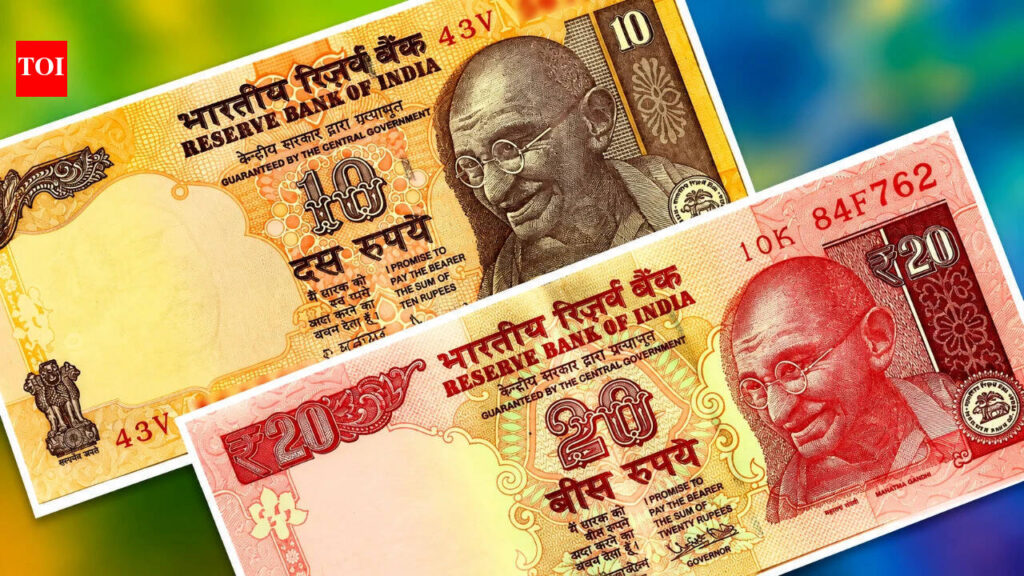
India is on the cusp of introducing polymer banknotes, marking a significant shift in its currency management. The government has approved the Reserve Bank of India’s (RBI) proposal to issue one billion pieces each of Rs 10 and Rs 20 denomination polymer notes for field trials. This initiative has been rooted in the RBI’s intent to enhance currency durability and modernize the consumer banking experience.
The ongoing discussions reveal the significance of this transition: not only does it aim to improve the longevity of banknotes, but it also highlights India’s gradual move towards adopting advanced banking technologies. The approval from Finance Minister Nirmala Sitharaman underscores the government’s commitment to exploring innovative currency solutions while maintaining the existing paper note ecosystem. As polymer notes undergo testing, their practical insertion into the economy hinges on achieving favorable results in these trials.
Exploring the Benefits of Polymer Notes
The rationale behind transitioning to polymer notes primarily centers on their enhanced durability. RBI Governor Sanjay Malhotra has pointed out that lower denomination notes, which see higher circulation rates, suffer from accelerated wear and tear. The polymer alternatives are designed to withstand daily handling better, which could significantly prolong their lifespan—estimated to be two to four times longer than traditional paper notes.
International examples underscore this potential success; countries utilizing polymer banknotes have reported notable improvements in note longevity and cleanliness. These factors suggest that not only could India reduce the frequency of currency production and replacement, but the transition could also lead to cost savings and increased consumer trust in the currency system.
Implications and Future Perspectives
The introduction of polymer notes is positioned as a complementary effort to the existing paper currency system rather than a complete overhaul. The RBI’s strategy is to ensure a balanced coexistence of polymer and paper notes as legal tender, reflecting flexibility in managing future economic challenges. The government aims for a smooth transition, expressing optimism regarding the potential circulation of these notes by the start of the next financial year, subject to successful field trial outcomes.
As this project unfolds, several questions arise concerning the implications for the broader economy. How will the public respond to these new notes? Will this mark a broader trend towards digitization and modernization in India’s banking sector? Importantly, the continuous monitoring of inflation rates and fiscal measures must be taken to ensure consumer confidence remains intact throughout this transitional phase.
In summary, India’s foray into polymer currency signifies an important evolution in its financial landscape, bringing innovation to traditional banking practices. As the country prepares for these changes, what potential challenges can be anticipated? How crucial is public perception in the acceptance of these new forms of currency? And what long-term benefits do you envision for both consumers and the economy at large?
Editorial content by Harper Eastwood