- India and the United States wrapped up a significant round of trade discussions, reaffirming commitment to a broader trade agreement.
- The negotiations addressed critical issues like market access, tariffs, and digital commerce.
- The proposed interim arrangements may impact tariffs on Indian goods, enhancing trade relations between the two nations.
Examining the India-US Trade Agreement
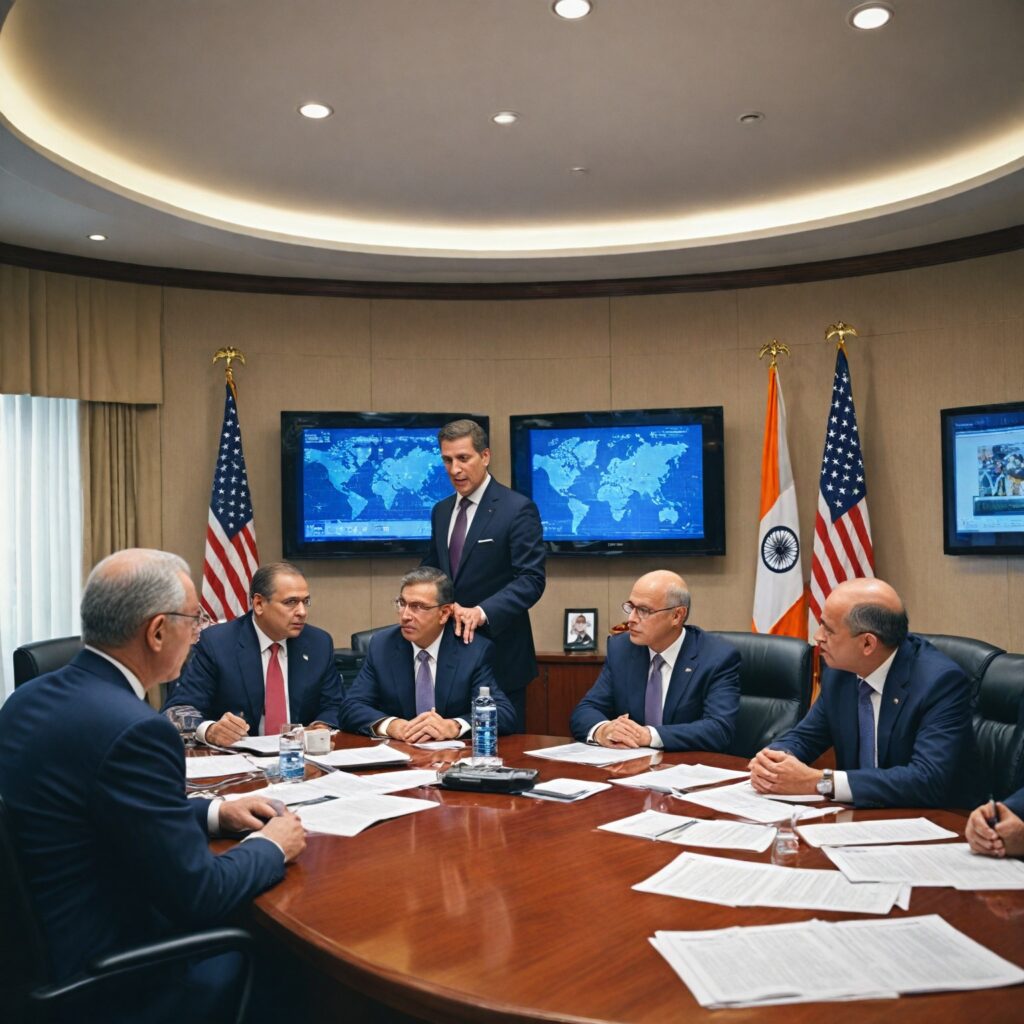
The ongoing dialogue between India and the United States regarding a comprehensive trade agreement marks a significant shift in international trade dynamics. On April 23, officials from both countries concluded a three-day negotiation session, building on prior discussions that began with a joint statement released on February 7. This initial framework aims to establish a more balanced and mutually beneficial trade environment, emphasizing the importance of sustained economic collaboration between the two nations.
The significance of these talks cannot be understated, as they not only address immediate trade issues but also frame the future of economic ties between two of the world’s largest democracies. As both countries seek to enhance their global positions, finalizing this agreement could open new avenues for growth, investment, and innovation, impacting various industries on both sides of the equation.
In-depth Analysis of the Negotiations
During these essential negotiations, the Indian delegation engaged with their US counterparts on a range of critical topics, including market access and non-tariff barriers, to facilitate a smoother trading process. Specifically, the discussions reflected a commitment to resolving technical trade regulations and customs procedures while ensuring that both countries’ economic security interests are aligned. The Ministry of Commerce and Industry emphasized that these talks occurred in a constructive atmosphere, paving the way for future collaboration.
One of the notable aspects of the proposed interim trade arrangements is the reduction of tariffs on Indian goods by the United States from 50% to 18%. This is particularly significant as it alleviates prior burdens placed on trade and aligns with the broader goals of enhancing commerce. The complexities of these negotiations were highlighted by US Trade Representative Jamieson Greer who acknowledged India’s protective stance towards its agricultural sector, indicating that progress will require thoughtful compromises on both sides.
The Future of Indo-US Trade Relations
Reflecting on the implications of these negotiations, it is clear that both nations must navigate a shifting landscape of global trade tariffs and regulations. With the US Supreme Court recently invalidating certain reciprocal tariffs, there is potential for India to reassess parts of the agreement that will safeguard its interests more effectively in this new context. The initial steps in these negotiations indicate a mutual willingness to compromise, underscored by the engagement of both countries’ leadership.
As the discussions evolve, the focus will likely remain on finding common ground, especially in areas where both sides see benefits, such as distillers dried grains (DDGs) for agricultural purposes. Future talks will determine the ultimate framework of the trade agreement and its long-term impact on economic cooperation, job creation, and bilateral relations.
In conclusion, the dialogue between India and the US represents a pivotal moment in their trade relationship, as both nations strive for economic synergy. As negotiations progress, what challenges might arise that could stall the agreement? How will these trade discussions influence global trading norms? And, as both sides work towards a finish line, what strategies will they need to employ to ensure a fair and beneficial outcome?
Editorial content by Jordan Fields