Oil Prices Amid Ongoing Tensions and Military Strategies
- Oil prices fluctuate as peace talks stall between the U.S. and Iran, while military actions escalate.
- The expiration of the Brent crude June contract saw a brief spike before a significant retreat in prices.
- Implications of U.S. military actions and their compliance with the War Powers Resolution continue to draw scrutiny.
Understanding the Context of Oil Prices and Military Actions
The global oil market is currently experiencing volatility, largely influenced by escalating tensions in the Middle East, particularly between the United States and Iran. Recent military actions by Israel and the U.S. against Iran have sparked discussions about the potential impact on oil supply and prices, heightening fears among investors as they navigate these tumultuous waters.
This situation not only affects trade and oil pricing but also has broader implications for international relations and energy security. With the Strait of Hormuz, a critical chokepoint through which a substantial portion of the world’s oil supply traverses, recently marred by threats and military activity, the stakes have never been higher, and market responses remain unpredictable.
The Heart of the Matter: Military Actions and Price Fluctuations
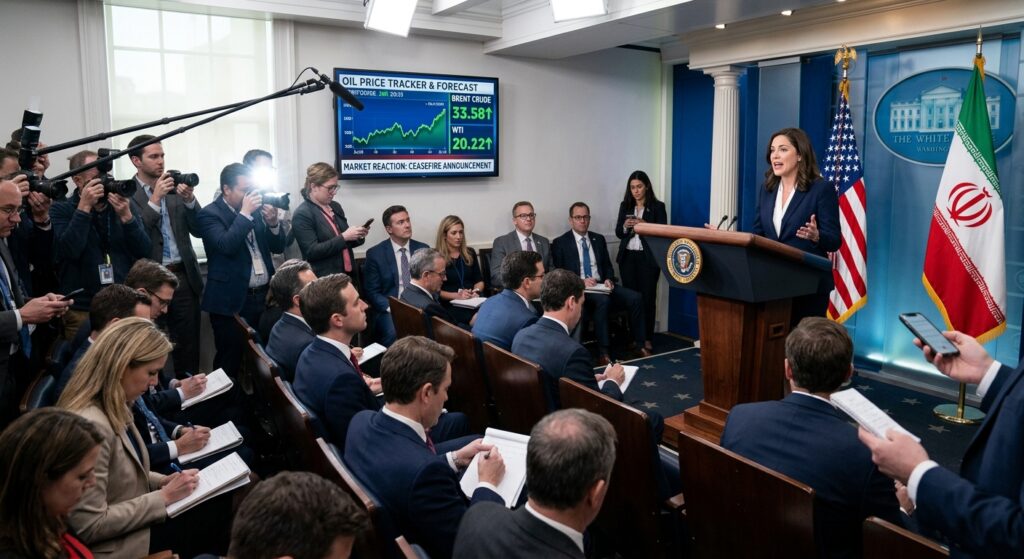
On Thursday, oil prices dipped slightly amidst the ongoing deadlock in peace talks, but Friday marked a rebound as new Brent futures prices rose. The June contract for Brent crude had initially peaked at $126.41, a four-year high, before settling lower. The fluctuating prices reflect traders’ anxieties surrounding military commitments and the ensuing responses from the rival countries.
President Trump faces a looming 60-day deadline under the War Powers Resolution regarding military engagement with Iran. After alerting Congress of military actions on March 2, any extension to the timeline hinges on interpretations of recent ceasefire agreements, with officials suggesting that hostilities may have ‘terminated.’ However, Iran’s Revolutionary Guards have warned of dire repercussions if attacked, underscoring the precarious balance of power in this ongoing conflict.
Considering the Implications and Future Outcomes
The implications of U.S. military strategy and oil price fluctuations are profound. Should tensions escalate, the ramifications on the global oil market could be severe, leading to further price spikes and potential economic instability in oil-dependent nations. As the U.S. maintains its military posture in the Gulf, the possibility of a more extended armed engagement looms large, potentially disrupting not only oil supplies but also international markets.
Possible solutions to this crisis include renewed diplomacy aimed at resolving the underlying issues with Tehran, particularly concerning Iran’s nuclear program and their access to vital maritime routes. Addressing these complex challenges is crucial to stabilizing oil prices and ensuring global energy security moving forward.
Conclusion
The current state of oil prices, intertwined with military engagement in the region, highlights a critical juncture for economic and geopolitical stability. As the situation evolves, the balance of power and market reactions will be scrutinized closely. How will the U.S. navigate its military commitments while managing international relations? What strategies can effectively address the growing tensions with Iran? As we reflect on these questions, it becomes evident that the path forward requires careful consideration and proactive diplomacy.
Editorial content by Sierra Knightley