
Highlights
- Homeowners insurance premiums have surged by an average of 24% from 2021 to 2024, affecting 95% of U.S. ZIP codes and prompting widespread concern among homeowners.
- Factors driving increased costs include inflation, climate change, state regulations, and the trend of building in higher-risk areas.
- Experts warn that rising premiums may hinder accessibility to homeownership, particularly for low-income households, impacting financial stability and mobility.
Introduction: The Rising Cost of Homeowners Insurance
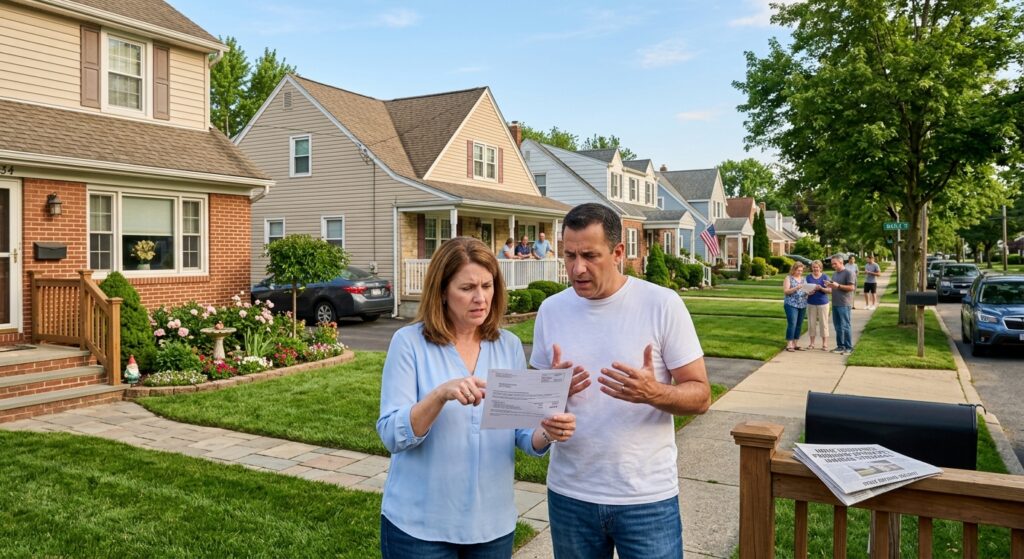
Homeowners across the United States are facing a financial squeeze as insurance premiums escalate at an alarming rate. Rising costs now affect nearly every ZIP code in the nation, with a significant percentage of homeowners reporting substantial increases in their policy costs. This shift poses a threat not only to individual finances but also to the overall housing market and broader economic landscape.
According to a survey by the Pew Research Center, an overwhelming 71% of homeowners have noticed their insurance bills climb, with nearly half asserting the hikes are substantial. This upward trend in homeowners insurance costs emphasizes the need for a deeper understanding of its causes and implications—highlighting an issue that could shape the financial future for many American families.
Examining the Factors Behind Rising Premiums
Several interconnected factors are driving the dramatic increase in homeowners insurance costs. Inflation is a significant contributor as rising prices for materials and labor have escalated the costs associated with repairing and rebuilding homes. According to a Treasury report, replacement costs have surged by 45% since 2020, compelling insurers to adjust premiums to remain solvent.
Moreover, climate change is a pressing issue. Increasingly frequent and severe weather events, such as wildfires, hurricanes, and floods, raise the likelihood of insurance claims that are higher in value. Experts note that these climate-related challenges are a primary reason for rising premiums, with a highlighted statistic showing that homeowners in the most climate-vulnerable ZIP codes pay premiums 82% higher than those in less risky areas.
Implications and Future Solutions
The ramifications of soaring homeowners insurance premiums extend beyond individual wallets; they influence the housing market and economic mobility. With homes being the most significant financial asset for many, increased costs can erode equity and deter potential buyers. Low-income households face particular risks, as they often remain underinsured or unable to cover premium hikes, limiting their opportunities for homeownership—a crucial step in achieving upward economic stability.
To address these challenges, experts suggest reforms in state regulations, improved risk assessment technologies, and innovative insurance products that can offer more manageable premiums. Strategies to foster resilience against climate change and elevate awareness about the evolving insurance landscape are also crucial.
In conclusion, as homeowners navigate these daunting insurance cost increases, it raises essential questions for our communities. How can we collectively mitigate the burden of rising insurance premiums on vulnerable populations? What role should policymakers play in regulating insurance markets to ensure fairness and sustainability? And how can technology be leveraged further to provide both affordability and comprehensive coverage in the face of an unpredictable climate?
Editorial content by Blake Sterling