Highlights:
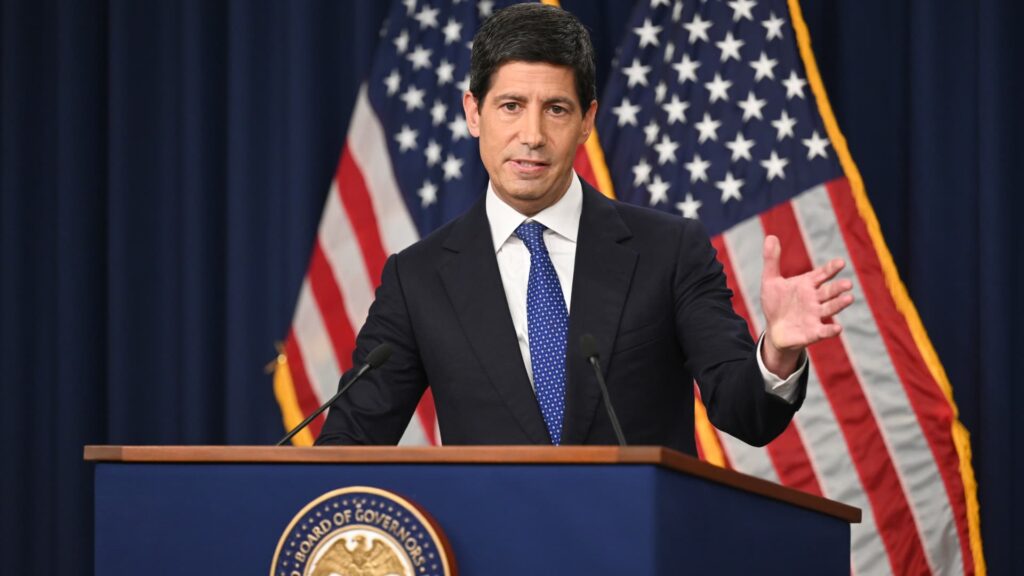
– Federal Reserve Chair Kevin Warsh announces a quarter percentage point hike in interest rates, signaling a potential shift in monetary policy.
– The Fed’s removal of “a dose of accommodation” suggests that further rate hikes may be on the horizon as the economy strengthens.
– Analysts speculate on future rate increases, with the market predicting additional hikes beyond the recent decision.
Introduction to the Rate Hike Debate
The recent decision by Federal Reserve Chairman Kevin Warsh to increase the central bank’s benchmark interest rate marks a pivotal moment in U.S. monetary policy. This quarter-percentage-point increase is the first since 2023 and has stirred considerable discussion regarding the future direction of interest rates and their impact on the economy. The terminology used by Warsh—framing the hike as a removal of “a dose of accommodation”—reflects an evolution in how the Fed perceives its role in supporting the economy, which raises crucial questions about what lies ahead for financial markets and the broader economy.
The significance of this adjustment goes beyond mere numbers; it encapsulates the Fed’s response to a strengthening U.S. economy and evolving financial conditions. As Warsh explained, the economy’s current state has allowed for this policy adjustment, raising concerns about how much more tightening may be necessary to ensure inflation returns to the targeted 2%. With this recent hike, discussions surrounding monetary policy are gaining urgency, as investors and economists alike scramble to decode the implications of Warsh’s wording and strategic vision.
Core Insights from Fed’s Policy Meeting
Warsh’s choice of phrasing is proving to be a focal point in understanding the current monetary policy landscape. He suggested that the Fed is not merely tightening but rather recalibrating its support for economic growth. This emphasis on “removing accommodation” signals that the central bank is prepared to act more decisively if it determines that further tightening is warranted. For analysts, this presents a scenario in which rates could continue to rise until financial conditions are considered neutral, a term that lacks a standardized definition but plays a critical role in shaping policy.
Moreover, Warsh’s statements led to heightened speculation within financial markets concerning future rate hikes. Investment firms like Goldman Sachs and Bank of America have begun incorporating the likelihood of additional rate increases into their forecasts. With current market conditions perceived as stimulative, there is a growing belief that further measures may be necessary to curb inflation and stabilize markets. As market participants assess the implications of the Fed’s latest decisions, the outlook for upcoming meetings grows increasingly complex and uncertain.
Implications for Future Monetary Policy
The recent interest rate hike and accompanying commentary present both challenges and opportunities for the Federal Reserve. If Warsh’s characterization of policy as still accommodative is to be taken seriously, it could mean that more aggressive rate increases are imminent. The market’s reaction—pricing in the potential for additional hikes—signals a readiness among investors for continued shifts in monetary policy. Such changes could affect everything from borrowing costs to consumer confidence, making the stakes of the Fed’s decisions particularly high.
Looking ahead, the implications of this rate hike extend beyond immediate economic indicators. Analysts are closely monitoring how investors respond to the Fed’s actions, especially given the potential for more aggressive adjustments. The recent comments from Warsh also suggest a willingness to reassess traditional metrics used to guide decisions, allowing for a more dynamic approach to managing the economy. As the Fed navigates these complexities, the ultimate effectiveness of its strategies will depend on the interplay between tighter policy and the broader economic landscape.
In conclusion, the Federal Reserve’s recent decision to hike interest rates marks a significant shift in monetary policy, with key implications for the economy moving forward. As discussions حول the meaning of “accommodation” intensify, the questions arise: What will the Fed’s next steps look like? How should markets prepare for continued changes in monetary policy? And what potential effects could these changes have on everyday consumers?
Editorial content by Jordan Fields