
Highlights
- David Ellison appoints Ynon Kreiz as co-CEO ahead of the Paramount-Warner Bros. Discovery merger.
- The merger, valued at $110 billion, is poised to create a groundbreaking global media organization.
- Kreiz’s departure from Mattel marks a significant career shift, following his success with the company’s recent blockbuster releases.
Introduction: A New Era for Media
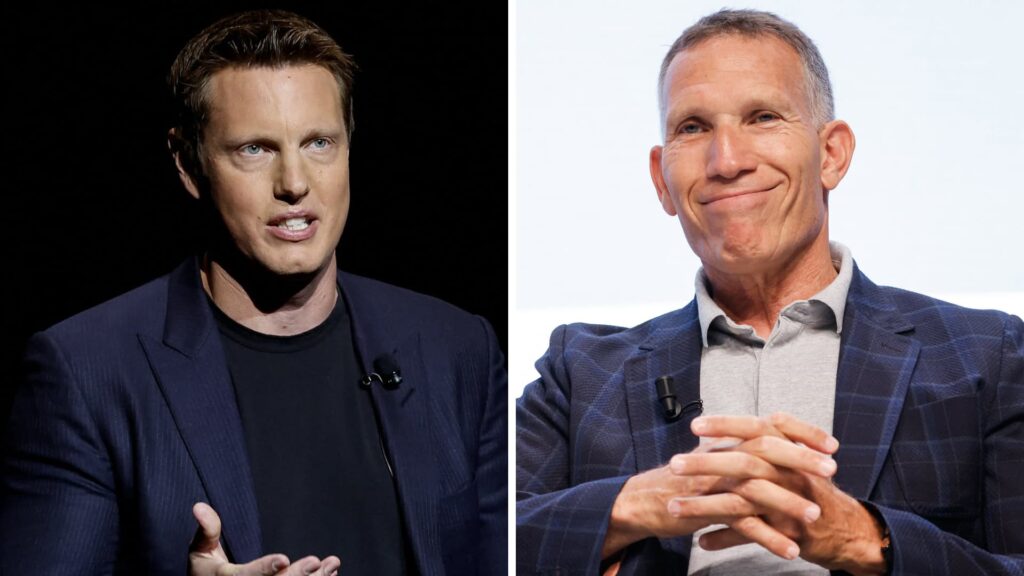
As the media landscape continues to evolve, the impending merger between Paramount and Warner Bros. Discovery represents a pivotal moment in the industry. Announced by Paramount Skydance CEO David Ellison on Wednesday, the merger appoints Ynon Kreiz, the outgoing chief executive of Mattel, as co-CEO. This strategic partnership aims to combine their resources and expertise, paving the way for a next-generation global media company.
With a transaction valued at an astounding $110 billion, this merger isn’t just another business deal; it’s a potential game changer that could reshape the media landscape. The significance of this merger stems from its scale and the potential it holds for innovation and growth in an age where content consumption habits are fluctuating rapidly.
The Merger Dynamics: Leadership and Strategy
Ellison’s recent press announcement underscores the synergy between the two executive leaders, describing them as one formidable unit. As co-CEOs, Ellison will concentrate on long-term strategic vision, including talent relations and technological investments, while Kreiz handles the daily operations and integration of both companies. Kreiz’s approach focuses on operational management, drawing from his extensive experience leading Mattel through a transformative period.
This merger comes on the heels of Paramount’s recent legal victories, having settled an antitrust lawsuit aimed at blocking this monumental agreement. Following a federal judge’s approval for the merger to proceed, a new chapter looms for both companies. As Ellison stated, “Bringing together Paramount and Warner Bros. Discovery is transformative,” positioning them to compete aggressively in a rapidly changing media environment.
Outcomes and Future Implications
The merger’s implications extend beyond corporate strategy; it signals a significant shift in content creation and distribution. As the new entity emerges, it is expected to leverage shared resources to foster growth and enhance viewer engagement across platforms. With Kreiz at the helm of operations, there is anticipation for innovative content generation, echoing his successful tenure with Mattel, especially highlighted by the phenomenal success of the “Barbie” film this year.
With an anticipated closure date set for October 6, the media industry watches closely for how this merger will steer new creative ventures. Will this partnership lead to more diverse media offerings or perhaps a consolidated approach to content? As the dynamics unfold, stakeholders and audiences alike will be eager to see if the collaborative efforts result in sustained growth and heightened competitive advantage in the market.
In conclusion, the merger between Paramount and Warner Bros. Discovery illustrates an ambitious vision for the future of media. As two industry titans unite, what new opportunities and challenges will emerge? How will this merger affect the landscape of content creation and audience engagement moving forward? Can this partnership truly reshape the future of media as we know it?
Editorial content by Jordan Fields