- Highlights:
- Ferrari’s debut electric model, the Luce, faces criticism from industry figures and a notable stock decline.
- The design of the Luce raises concerns about resale values, although analysts suggest patience is crucial.
- The luxury EV market is evolving, but Ferrari’s strong ICE products might continue to drive earnings in the near future.
Ferrari’s Electric Ambitions Take Center Stage
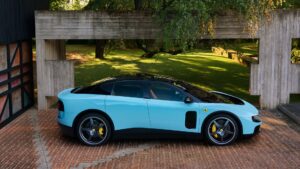
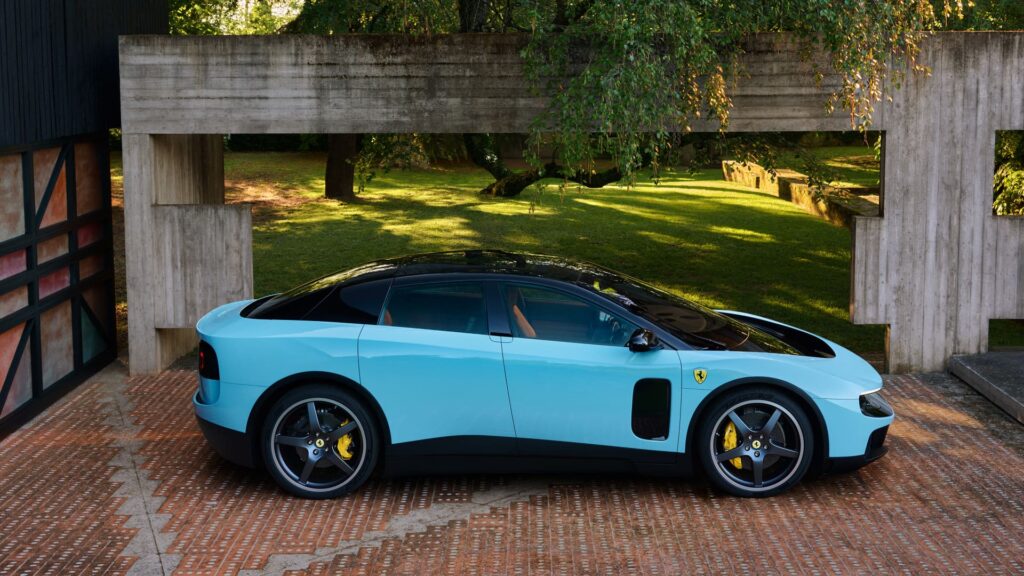
In a landmark development for one of the world’s leading luxury automotive brands, Ferrari has recently unveiled its first fully electric vehicle, named Luce. The launch came amid rising demand for electric vehicles (EVs) and added pressure for traditional manufacturers to transition amid environmental regulations. With a staggering price tag of approximately $640,000, the Luce aims to combine Ferrari’s legacy of performance with the modern expectations of sustainability.
However, the vehicle’s unveiling was met with backlash from key automotive figures, including a former Ferrari chairman and Italy’s transport minister. The mixed reactions evoke questions not only about the vehicle’s design and pricing, but also about whether the iconic brand is successfully transitioning into the electric era while preserving its cherished heritage.
Critiques and Market Reactions
Stock prices for Ferrari dipped by more than 8% following the announcement of the Luce, as concerns around its unconventional design and strategic alignment surfaced. Critics, including former chairman Luca di Montezemolo, claimed that the Luce strayed too far from the brand’s storied history and identity. Notably, di Montezemolo urged for the removal of the prancing horse logo from the vehicle, showcasing the disapproval among traditionalists.
Analysts, however, have encouraged investors to remain calm, pointing out that initial skepticism about a model’s design does not always translate into long-term failure. They referenced the recent success of the Purosangue, Ferrari’s first utility vehicle, highlighting how market demand eventually outweighed early criticisms of its design. As with previous models, the Luce’s reception will depend heavily on how consumers engage with it over time.
Navigating the Future of Luxury EVs
As the luxury automotive sector faces mounting pressure to pivot towards electric vehicles, the introduction of the Luce highlights a complex landscape. Auto analysts have noted that while competitors like Bentley and Lamborghini remain cautious with their electric plans, Ferrari’s commitment showcases both ambition and risk. Market dynamics are shifting, with traditional internal combustion engine (ICE) models temporarily holding greater appeal among affluent clients.
The outcome of this strategic shift for Ferrari remains uncertain. Analysts suggest that the sale volume of the Luce may be deliberately managed to maintain exclusivity, while drawing new customer interest—particularly in burgeoning markets such as China. As such, approaching the BEV transition effectively seems paramount for Ferrari’s continued growth in a rapidly evolving industry.
In conclusion, Ferrari’s entry into the electric vehicle market with the Luce represents not just a technological milestone for the brand but also a significant cultural moment within the automotive industry. As reactions unfold, can the Luce redefine luxury performance in the EV age? Will Ferrari maintain its esteemed heritage while successfully adapting to the new market realities? The road ahead is filled with both promise and uncertainty, prompting further reflection on the future of luxury transportation.
Editorial content by Jordan Fields