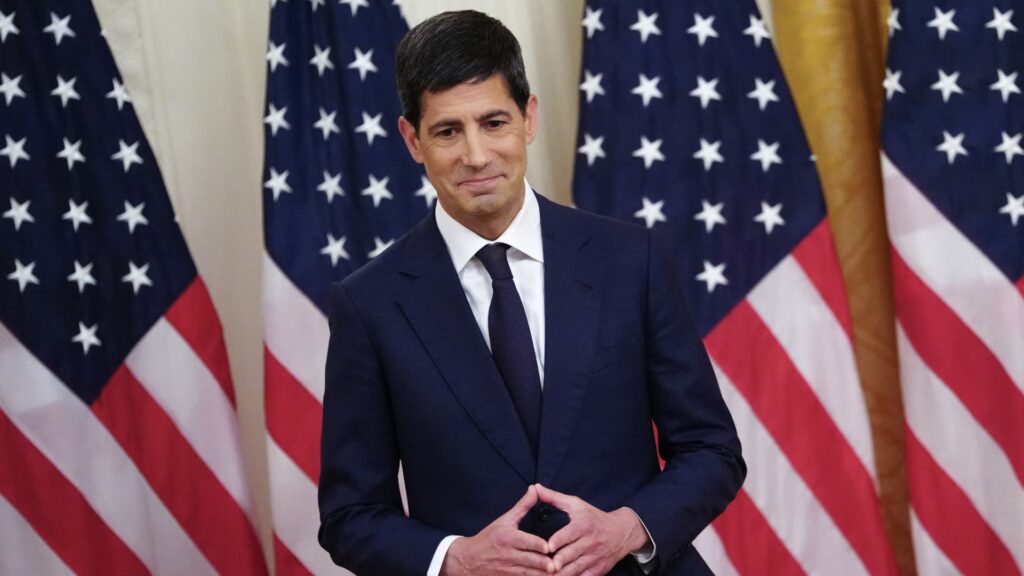
New Chairman of the Federal Reserve Kevin Warsh arrives during a swearing-in ceremony in the East Room of the White House in Washington, DC on May 22, 2026.
Aaron Schwartz | Afp | Getty Images
In May, the latest jobs report has decisively marginalized the prospects for interest rate cuts in the near future, illustrating the challenging road ahead for newly appointed Federal Reserve Chair Kevin Warsh. The strong addition of 172,000 jobs, coupled with significant upward revisions from previous months, has weakened the case for easing monetary policy, especially in light of persistent inflation and ongoing geopolitical uncertainties stemming from the crisis in Iran.
“In my view at the Fed, the message is clear: job growth appears healthy, which diminishes the argument for labor market support,” noted Gus Faucher, Chief Economist at PNC. “Given the current elevated inflation levels, it seems more prudent to maintain the fed funds rate until we gain clearer insights into inflationary trends.” This shift in sentiment has led market traders to scale back their expectations for a rate cut at the Fed’s upcoming June meeting, with a growing consensus predicting a potential rate increase by the end of 2026.
Challenges from his Fed peers
Warsh faces considerable scrutiny not only in his role but also regarding the foundational principles that shape Federal Reserve policy. Recently, several Fed officials have publicly questioned his assumptions regarding inflation, growth, and the broader implications of monetary policy, all without explicitly naming Warsh.
Governor Christopher Waller has expressed concerns that consumer and market psychology may shift inflation expectations, a critical factor in determining Fed responses. St. Louis Fed President Alberto Musalem countered Warsh’s assertion that technological advancements and productivity increases might alleviate inflation pressure, emphasizing the risks of relying on future productivity to tackle today’s inflation challenges. Moreover, Dallas Fed President Lorie Logan has raised doubts about Warsh’s preference for “trimmed mean” inflation measures, cautioning that they may not accurately reflect underlying inflation trends, especially when excluding vital price fluctuations.
Caution on guidance
Additional voices from within the Fed have echoed the need for caution. Governor Michelle Bowman suggested the importance of not overreacting to potential temporary spikes in inflation linked to energy supply shocks. Interestingly, while Bowman supports a degree of forward guidance in communications— which Warsh has expressed skepticism about—she also conveyed concerns about the prolonged impact of the ongoing war on inflation outlooks.
Simultaneously, Governor Michael Barr publicly critiqued Warsh’s calls for a smaller Fed balance sheet, suggesting that such a narrow focus could yield unintended consequences. The shared sentiment among Fed officials indicates a complex landscape wherein Warsh’s vision for policy faces robust debate, particularly as Wall Street analysts compare the current economic climate to the mid-1990s under former Fed Chair Alan Greenspan, urging caution in adopting similar strategies today.
View from within
As Kevin Warsh prepares for his initial Federal Open Market Committee meeting, he can anticipate robust debate among colleagues characterized by both collegiality and a firm commitment to diverse perspectives. Cleveland Fed President Beth Hammack, who previously opposed language indicating that rate cuts may be forthcoming, has voiced apprehension about the reliability of trimmed mean and core inflation measures amid high oil prices. She urged a more comprehensive view of economic data, highlighting potential discrepancies between reported and real conditions.
Nonetheless, Hammack has expressed faith in Warsh’s approach, noting his willingness to engage in critical discussions about key issues facing the Fed. She remarked, “Warsh’s openness to big-picture questions demonstrates a commitment to understanding how the Fed can best fulfill its dual mandate of maximum employment and price stability.”
Editorial content by Sierra Knightley