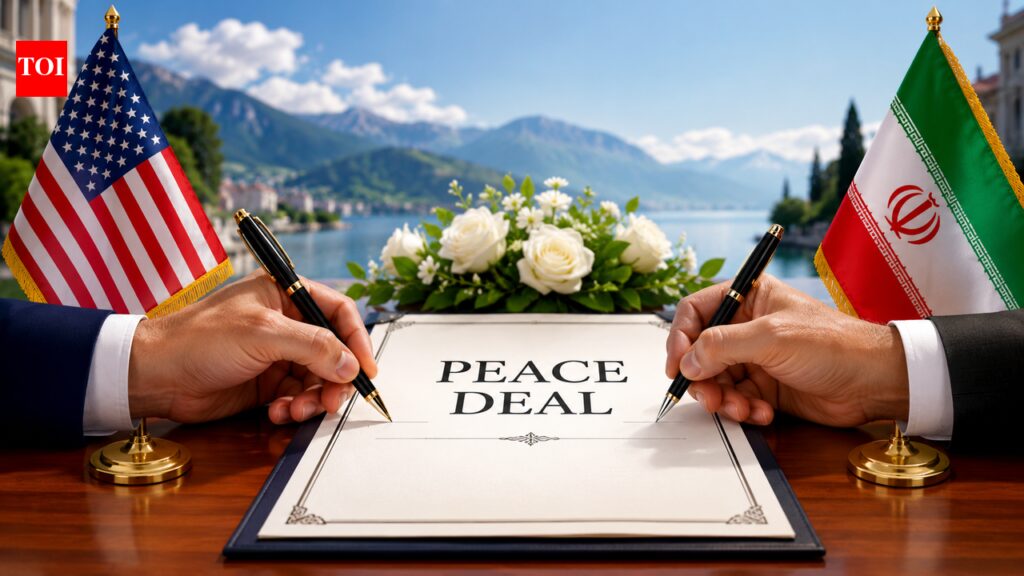
- Historic Steps: An interim memorandum of understanding between the US and Iran marks a significant turning point in ending a four-month conflict.
- Economic Benefits: Iran stands to gain access to a $300 billion development package and resume oil exports, crucial for its economy.
- Contentious Issues Remain: Key uncertainties, including Israel’s role and the timeline for sanction relief, may impact the long-term success of the agreement.
The Significance of the US-Iran Interim Agreement
After months of escalating tensions marked by conflict, both the US and Iran are set to sign an interim memorandum of understanding that could reshape the geopolitical landscape in the Middle East. Scheduled to be signed in Switzerland, this agreement initiates a 60-day negotiation framework aimed not only at bringing an end to ongoing hostilities but also at establishing rigorous limitations on Iran’s nuclear program. The global implications of such an agreement cannot be understated as they set the stage for international diplomacy and security.
The importance of this agreement extends beyond mere politics. If successful, it could lead to a decrease in regional instability and bolster economic conditions for Iran. The potential to ease sanctions and re-engage Iran in global trade is particularly significant for countries that have been impacted by its past economic isolation. This agreement represents a crucial opportunity for diplomacy, highlighting the global interest in stabilizing the region.
Exploring the Details of the Agreement
The draft agreement details an array of economic incentives for Iran in exchange for compliance with terms limiting its nuclear ambitions. Iran would be permitted to immediately resume oil exports, which have been stifled due to sanctions, and would gain access to substantial economic development programs estimated at $300 billion. The US is poised to facilitate this economic revival by issuing waivers for Iranian crude oil and ending naval blockades that have restricted access to vital shipping routes.
However, the deal does not specifically tackle Iran’s existing stockpile of enriched uranium, indicating that more complex negotiations will follow. While the framework lays the groundwork for sharing economic benefits in return for safety assurances regarding nuclear weapons, unresolved issues such as regional conflicts involving Israel and groups like Hezbollah remain a point of contention. The need for additional discussions underlines the fragility of this accord and the delicate balance required to address lasting peace in the region.
The Path Forward: Implications and Challenges
The implications of this memorandum are vast, yet fraught with potential hurdles. For one, the agreement mandates that Iran must agree to never pursue nuclear arms and comply with international standards for its nuclear materials. Iran’s leadership has expressed confidence that access to its frozen assets will be secured, but these commitments may be met with skepticism by both domestic critics and international observers.
Furthermore, the challenges posed by Israel’s military presence in Lebanon and its insistence on maintaining pressure on Hezbollah could complicate the broader peace efforts. As negotiations continue, the proposed timeframe suggests that many key issues, including crafted timelines for sanctions relief and military withdrawals, will require careful navigation. A commitment to enduring dialogue between all parties is paramount to ensure that this initiative continues to build on the path to lasting peace.
In summary, as the US and Iran prepare for a pivotal signing, the foundational steps toward a more stable Middle East may be within reach—but only if the involved parties can effectively address complex issues that threaten to derail progress. How can stakeholders ensure compliance with these agreements? What role will regional players, specifically Israel, have in shaping the future of this accord? Will the economic relief adequately transform Iran’s international image and relations? The coming months will be critical in answering these pressing questions and determining the ultimate success of the negotiations.
Editorial content by Blake Sterling