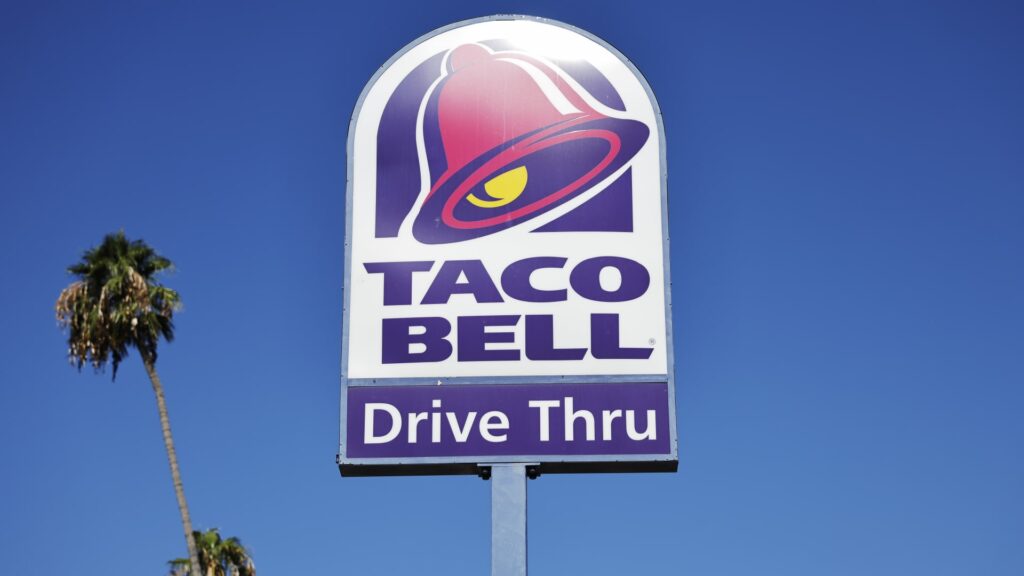
The Taco Bell logo is displayed at a Taco Bell restaurant on July 14, 2026 in Pasadena, California.
Mario Tama | Getty Images
Yum Brands has reported mixed quarterly earnings amid a significant cyclospora outbreak affecting Taco Bell restaurants, raising concerns about its impact on consumer behavior and sales.
Context of the Outbreak
The recent cyclospora outbreak linked to Taco Bell’s iceberg lettuce has posed a serious challenge to Yum Brands, which relies heavily on Taco Bell for future growth. Since the FDA’s announcement in mid-July, foot traffic to Taco Bell has seen dramatic declines, leading to dips in customer confidence. Data from Placer.ai indicates that visits to the popular eatery have decreased by double digits, making it crucial for Yum Brands to address these concerns as they unveil their quarterly results. The situation underlines the significance of food safety in maintaining consumer trust, which is paramount for any restaurant chain.
This negative attention comes to light just as Yum Brands reported its earnings for the second quarter. The company’s results reflect a time before the outbreak was publicly linked to Taco Bell, but they reveal pressures that could potentially hinder the chain’s growth and profitability in future quarters. As Yum prepares to navigate this crisis, industry analysts are paying close attention to any forthcoming insights during the earnings conference call scheduled for 8:15 a.m. ET, where executives are likely to face tough questions about ongoing sales declines and future projections.
Impact on Sales and Consumer Trust
Upon releasing its second-quarter earnings, Yum Brands reported a net income of $853 million, constituting a substantial year-over-year increase. However, the reported figures, including an adjusted earnings per share of $1.62, may overshadow the significant fallout from the ongoing outbreak. Although Taco Bell had been a top performer within the Yum portfolio, the combined fallout from the outbreak and declining sales has put pressure on the fast-food chain, along with other restaurants not directly involved in the outbreak. For instance, Chipotle executives have noted a drop in sales attributed to general consumer skepticism around chains serving fresh lettuce.
The financial strain could extend beyond Taco Bell and may trickle down to how various food chains manage their operations and ensure food safety. Yum reported that its same-store sales rose by 3% globally, with Taco Bell contributing a notable 7% growth prior to the outbreak. This growth, however, is at risk if customer confidence diminishes further. As the company navigates its challenged landscape, analysts are closely observing how this situation evolves and how it might affect investor sentiment in the longer term.
Looking Ahead: Implications for Yum Brands
As Yum Brands faces the immediate crisis surrounding Taco Bell, the implications extend beyond sales figures. The outbreak raises significant questions about food safety protocols and the responsibility of restaurant chains to maintain high standards. Addressing consumer fears head-on will be vital for the company as they aim to restore confidence and mitigate financial losses. Future strategies may well include an emphasis on transparency in sourcing and food preparation to reassure customers about their safety.
Moreover, as Yum Brands explores solutions for overcoming this crisis, maintaining communication with stakeholders and consumers will be essential. The company must balance immediate concerns with long-term strategies that prioritize safety and quality to regain their footing. The quick recovery of Taco Bell and the broader fast food community will depend on effectively managing public perception and restoring trust.
Conclusion:
In summary, Yum Brands’ earnings report offers a glimpse into the financial health of the company amid a critical crisis. The cyclospora outbreak poses a serious threat not just for Taco Bell’s immediate sales, but also for its long-term viability as a staple of Yum’s business model. As the situation evolves, how will Yum Brands work to rebuild trust with consumers? What measures should be taken to enhance food safety across the restaurant industry as a whole? And finally, how might consumer behavior change in response to this incident in the future?
Editorial content by Blake Sterling