Highlights
- Chinese exports to the U.S. witnessed a significant decline in July, marking a stark reversal after a period of growth.
- Manufacturing and retail sectors are experiencing a slowdown, sparking concerns over job growth and economic stability.
- Chinese policymakers are focusing on boosting domestic demand and improving international trade relations to mitigate economic challenges.
The Decline of Chinese Exports
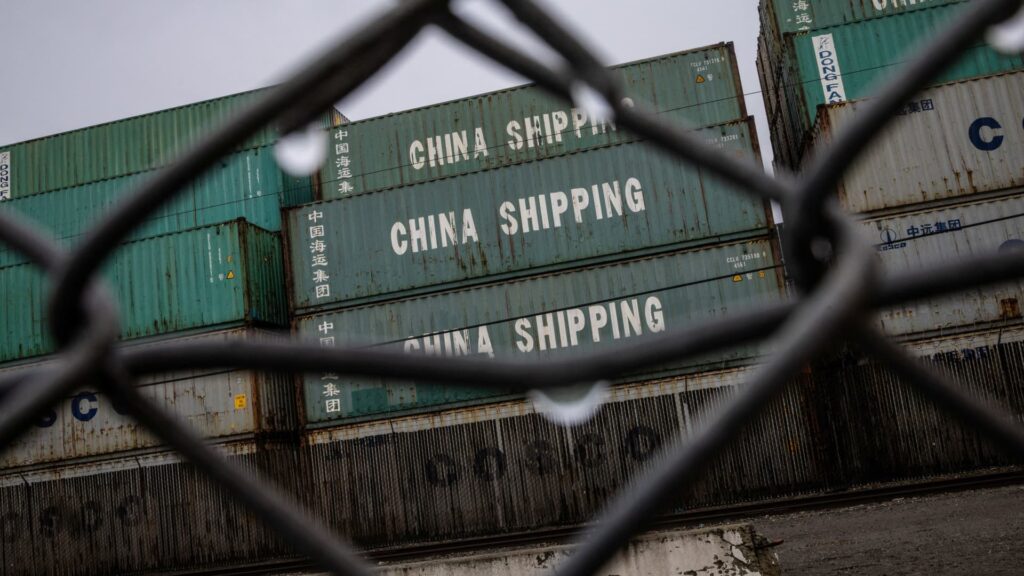
In a troubling development for one of the key engines of the Chinese economy, recent data reveals that U.S.-bound shipments from China have plunged in July, ending a streak of growth that had lasted several months. This insight comes from the China Beige Book, a research firm based in the U.S., which conducted a survey involving 1,436 Chinese businesses. According to their findings, the slowdown may hint at broader economic struggles as China navigates an increasingly tense trade environment with the United States.
Historically, China’s exports have been a vital component of its economic growth, helping to boost GDP and drive job creation. However, this recent downturn raises questions about the sustainability of such growth amid escalating trade tensions and tariff impositions. Notably, in March, exports to the U.S. had already experienced a significant decline of over 26%, a clear indication of the stress the trade relationship is under. The urgency of addressing these repercussions becomes palpable as the world watches China’s economic responses unfold.
Core Issues Behind the Decline
The findings from the China Beige Book reveal not only a decrease in exports but also a significant deceleration in manufacturing performance. July marked a notable downturn in factory activity, with labor market conditions worsening for all sectors surveyed. These statistics underscore a broader trend of increased challenges faced by manufacturers who are grappling with the uncertainty of trade relations. As companies adjust to the insistent pressures of potential U.S. tariffs, many are left in a precarious position.
Additionally, the retail sector has not been spared, experiencing a decline in sales compared to both the previous month and the same period last year. Sectors such as travel and dining observed a sharp decline, posing further challenges to economic recovery. While shipments to the U.S. rose by 14% in June—bolstered by companies rushing to complete sales ahead of anticipated tariff hikes—July’s reversal suggests that such front-loading strategies may not be sustainable in the long term.
Strategic Responses and Future Implications
In light of these findings, Chinese policymakers have signaled a strategic shift, emphasizing the importance of expanding domestic demand and enhancing international trade cooperation. This pivot is not just a reaction to immediate challenges but a long-term strategy aimed at achieving technological breakthroughs and fortifying the economy against external pressures. The focus on bolstering domestic consumption aims to reduce reliance on foreign markets, fostering a more self-sufficient economic model.
As policymakers prepare for upcoming trade data releases and increased scrutiny over employment statistics, the direction of China’s economic policies could have far-reaching consequences, both domestically and internationally. The emphasis on innovation and internal market growth may ease some of the strains currently impacting export activities. However, unanswered questions remain: How will China adapt its economic strategies in the face of persistent global trade tensions? What role will domestic consumers play in driving future growth?
In conclusion, the decline in China’s exports to the U.S. signals a significant turning point for the nation’s economy, with immediate implications for manufacturing and retail sectors. As China navigates the challenges posed by trade tensions, the potential for long-term strategies to reshape its economic landscape becomes a focal point for both analysts and policymakers alike. What adaptations will be implemented moving forward, and can these efforts effectively mitigate the impact of external trade pressures?
Editorial content by Harper Eastwood