Highlights:
- Walmart exceeded Wall Street expectations in quarterly sales, propelled by a 23% e-commerce surge.
- The retailer anticipates higher yearly sales growth, with tariff refunds used to further lower consumer prices.
- Despite rising costs and consumer strain from inflation, resilient spending persists among shoppers.
Walmart’s Performance amid Economic Challenges
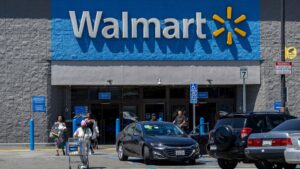
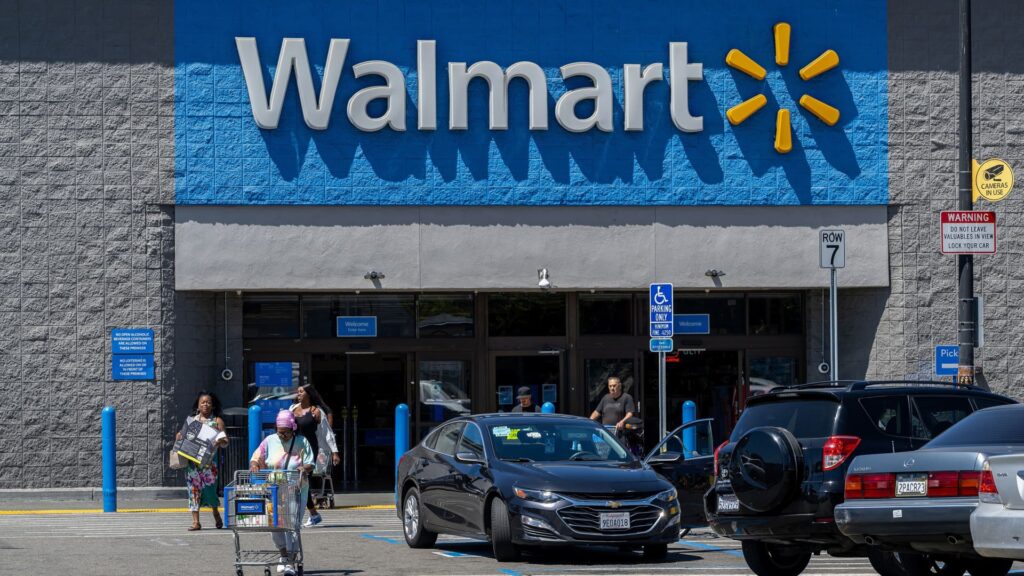
Walmart has made headlines again, showcasing impressive quarterly results that defy market predictions. In the backdrop of fluctuating fuel prices and a challenging economic landscape, the retail giant’s performance is significant not just for its bottom line, but also for the broader U.S. economy. With consumers feeling the pinch from higher costs, Walmart’s strategy reflects its commitment to affordability and customer retention.
The retailer reported a 5.9% increase in revenue for its fiscal second quarter, significantly bolstered by an impressive 23% surge in global e-commerce sales. This growth underscores Walmart’s successful adaptation to changing shopping behaviors, aligning with consumer demands for online shopping options, particularly during these challenging times.
Key Trends and Strategic Moves
A closer examination reveals Walmart’s strategic maneuvers to navigate current market conditions. Chief Financial Officer John David Rainey highlighted the retailer’s eligibility for approximately $2.9 billion in tariff refunds, funds that will be channeled to lower product prices for consumers. This proactive pricing strategy is crucial as Walmart aims to offset burgeoning costs from rising fuel prices—an estimated $2 billion in incremental cost headwinds this year.
Notably, Walmart projected net sales growth between 4% and 5% for the fiscal year, marking an upward revision from earlier estimates. This optimistic forecast speaks volumes about the company’s market resilience, especially as higher-income consumers increasingly turn to Walmart for value, particularly in essential categories like groceries. With membership revenue for Walmart+ climbing and significant growth in their advertising revenues, the retailer’s adaptability is clearly paying off.
Future Implications and Consumer Behavior
The implications of Walmart’s recent performance extend beyond corporate metrics; they offer insights into consumer behavior and economic resilience. Despite witnessing a slowdown in certain sectors, such as health and wellness, where sales dipped slightly due to price caps on drugs, overall spending among consumers remains surprisingly strong. Rainey noted that real wage growth is supporting consumer resilience, which bodes well for retailers like Walmart.
As the company strives to continue enhancing customer experience through initiatives such as grocery delivery and competitive pricing, its market position appears increasingly robust. However, challenges prevail; higher fuel costs will likely dampen gains, emphasizing the need for continual strategic adjustments. How will Walmart manage to maintain this momentum amid potential economic headwinds, and will its pricing strategies truly ease the financial strain on consumers moving forward?
In conclusion, Walmart’s recent quarterly performance reflects a blend of adaptability and strategic foresight addressing current economic challenges. As the retail landscape evolves, how will Walmart further innovate to meet shifting consumer demands? Can it sustain its growth trajectory while enhancing affordability? These questions remain pivotal as we navigate through an ever-changing retail environment.
Editorial content by Sierra Knightley