Highlights:
– Situational Awareness hedge fund faces significant losses after aggressive investments in AI stocks, culminating in a massive selloff.
– The fund’s strategy included betting on companies expected to benefit from the AI boom while shorting potential losers, which initially yielded remarkable gains.
– A sudden market reversal in July forced the firm to liquidate positions, drastically reducing its asset value from $45 billion to approximately $10 billion.
The Rise and Fall of Situational Awareness Hedge Fund
In the fast-paced world of finance, hedge funds often gamble on emerging trends, and artificial intelligence (AI) appeared to be a goldmine for many investors earlier this year. Situational Awareness, a hedge fund managed by Leopold Aschenbrenner, tightly focused its strategy on AI, banking on the expectation that specific technology and infrastructure companies would thrive in the burgeoning AI landscape. With an impressive record of gains exceeding 1,000% since its inception, Situational Awareness was enjoying unprecedented success, wielding assets of around $45 billion.
However, the joy was short-lived. The firm’s strategy was rooted in a delicate balance between investing in AI-enabling companies and shorting those perceived to be at risk of obsolescence. This balance turned precarious when market dynamics shifted dramatically in July. In a striking twist of fate, the very stocks that Situational Awareness had championed fell victim to an abrupt market downturn, stirring unrest in what seemed to be a lucrative investment environment.
A Sudden Market Reversal
The collapse in value of key AI stocks profoundly impacted Situational Awareness’s portfolio. In June, the fund’s five largest holdings included major players like Sandisk, Micron Technology, and Taiwan Semiconductor Manufacturing, which collectively represented billions in investment. By the end of July, however, these stocks faced catastrophic declines—Sandisk plummeting 47% and Micron down nearly 29%. Aschenbrenner’s aggressive additions to these positions just before the selloff raised eyebrows, illuminating the risk inherent in concentrated investment strategies.
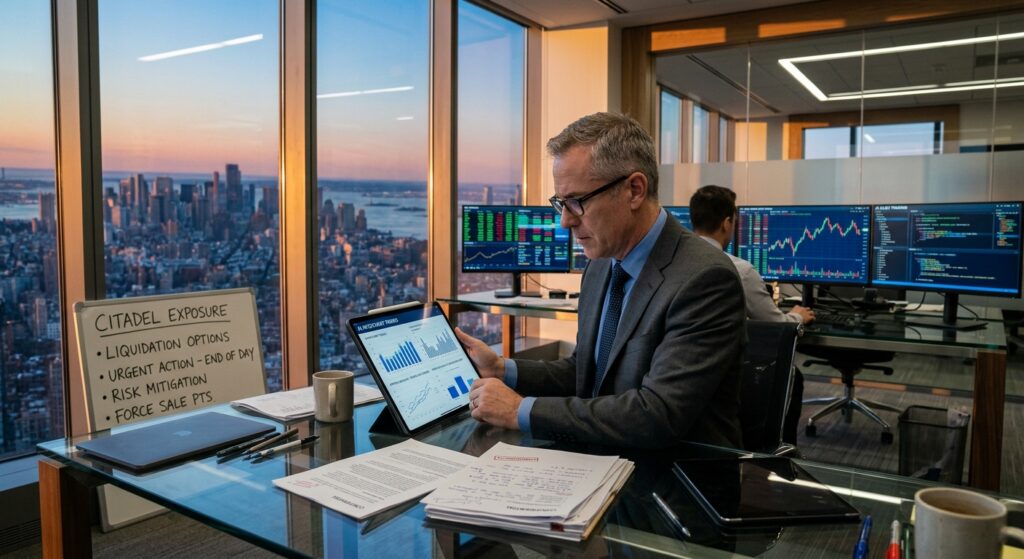
In addition to their public equity positions, the fund also held a substantial $745 million stake in AI infrastructure firm CoreWeave. The timing of these investments appears to be crucial, as it indicated a belief in a sustained AI boom. Yet, when the market reversed, Situational Awareness was forced to liquidate many of its positions at a discount to avoid an even greater liquidity crisis. The rapid unwind, especially its sale to Citadel, shed light on the risks affiliated with heavy leverage in volatile sectors.
Implications for Future Strategies
The fallout from Situational Awareness’s experience serves as a cautionary tale for hedge funds and investors alike, highlighting the inherent volatility of the AI market. Aschebrenner’s approach, which bore substantial upfront success, raised critical questions regarding investment patience and the sustainable execution of growth strategies amid rapid market shifts. As this scenario illustrates, the constant push and pull of market perception often dictates stock performance more than fundamentals alone.
Moving forward, the need for diversified investment strategies becomes clearer than ever. Strategies that hedge against market volatility—by incorporating a broader array of sectors or utilizing more conservative leverage methods—may shield future investments from such drastic reversals. The considerable lesson taken from this situation encourages investors to reflect on how quickly fortunes can shift and the importance of maintaining a balanced portfolio amid emerging technological trends.
In conclusion, the dramatic rise and fall of Situational Awareness underline the unpredictable nature of market dynamics and the risks associated with concentrated investment strategies. As the dust settles, it invites lingering questions: How can hedge funds better anticipate shifts in market sentiment? What best practices can emerging sectors like AI adopt to help investors navigate volatility? And ultimately, how will this episode shape investment strategies in similar high-risk areas moving forward?
Editorial content by Avery Redwood