Highlights:
– Japanese Prime Minister Sanae Takaichi experienced a muted reception during her inaugural visit to China, reflecting ongoing tensions over Taiwan.
– Beijing appears disinterested in repairing ties with Tokyo, resulting in continued restrictions affecting critical mineral exports to Japan.
– Takaichi faces pressure to amend her previous statements regarding Taiwan to improve relations, while China insists on retraction.
Introduction to a Diplomatic Tango
Japanese Prime Minister Sanae Takaichi’s recent visit to China has underscored the complexities of international diplomacy, especially in a region marked by intricate geopolitical tensions. This marks Takaichi’s first official trip as premier, a significant moment for Japan and its trade relations with China. However, the trip has not been welcomed with the fanfare usually accorded to visiting heads of state, suggesting that Beijing’s appetite for mending fractured ties remains limited.
The backdrop of this cautious interaction is a simmering dispute over Taiwan and Japan’s security stance in relation to it. Takaichi’s position is crucial as Japan navigates its role within international alliances, balancing the need for cooperation with its neighbors while firmly standing by its strategic concerns. The diplomatic symbolism displayed during her trip, particularly how she was treated upon arrival, conveys messages that could have far-reaching implications for Japan-China relations.
Examining the Core of the Strained Relations
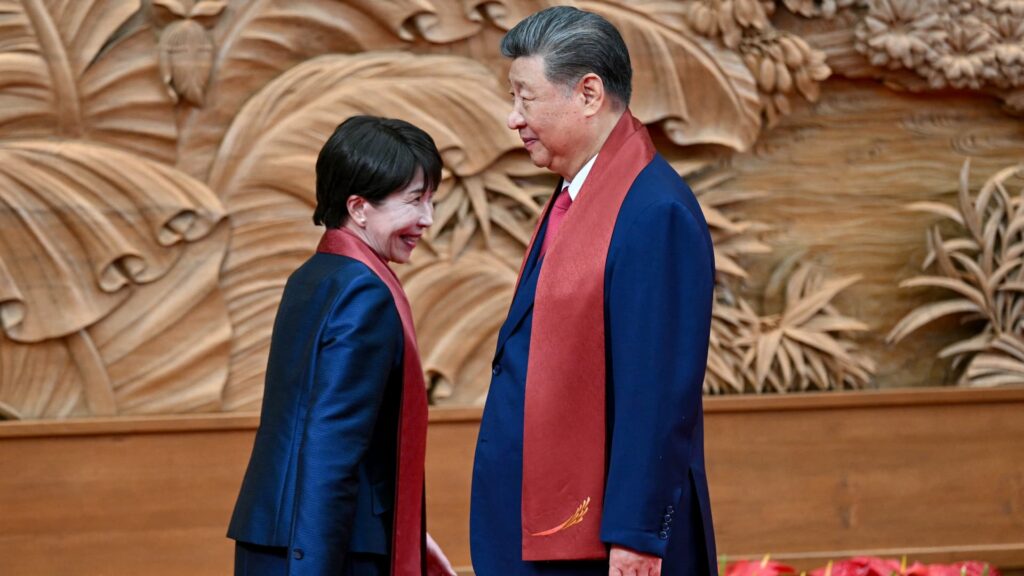
Upon her arrival in Shenzhen for the Asia-Pacific Economic Cooperation summit, Takaichi’s reception fell short of the enthusiastic greetings other leaders received, such as South Korea’s President Lee Jae Myung. The preference for a retired diplomat over a serving official to greet Takaichi indicates a clear signal of Beijing’s reluctance to elevate the status of her visit. This deliberate protocol may reflect China’s disappointment over Takaichi’s previous remarks regarding Taiwan, which have taken a hard stand from what her predecessors had generally avoided.
As Takaichi attempted to engage with Chinese President Xi Jinping, her efforts to communicate without an interpreter revealed the challenges of navigating strained relations. Analysts opine that this strained dynamic is likely to persist, as Takaichi’s political standing could influence her ability to amend Japan’s position regarding Taiwan. Meanwhile, China’s restrictions on crucial mineral exports, vital for Japanese industries, remain a looming threat, potentially hindering economic collaboration amid rising tensions.
Implications and Possible Solutions
The implications of Takaichi’s visit extend beyond the immediate diplomatic snub; they underscore the delicate balance Japan must maintain in addressing its security concerns while seeking to foster bilateral relations. Analysts suggest that addressing and re-evaluating her previously stated views on Taiwan may serve as a way forward. Experts like Huiyao Wang advocate for Japan to consider a more flexible approach to China, particularly in light of the U.S. stance on Taiwan.
On a broader scale, renewed diplomatic engagement between Tokyo and Beijing is crucial for stabilizing regional tensions and ensuring a cooperative economic landscape. As both countries grapple with their respective national interests, a foundation built on dialogue and understanding could pave the way for improved relations. The path to mending ties may require uncomfortable concessions, but these might ultimately lead to a safer, more collaborative future in East Asia.
In conclusion, Prime Minister Takaichi’s subdued welcome in China encapsulates the complexities of diplomacy influenced by geopolitical tensions. The chilly reception and lack of scheduled meetings signal a critical juncture for Japan’s foreign policy. As both nations assess their options, one must ponder: How crucial is dialogue in defusing these tensions? What specific steps by either government could facilitate a thaw in relations? And can a balance be found between national security and diplomatic engagement?
Editorial content by Harper Eastwood