
Highlights:
– Ukraine intensifies drone strikes against Russian fuel supplies, targeting strategic areas in a bid to disrupt logistics to Crimea.
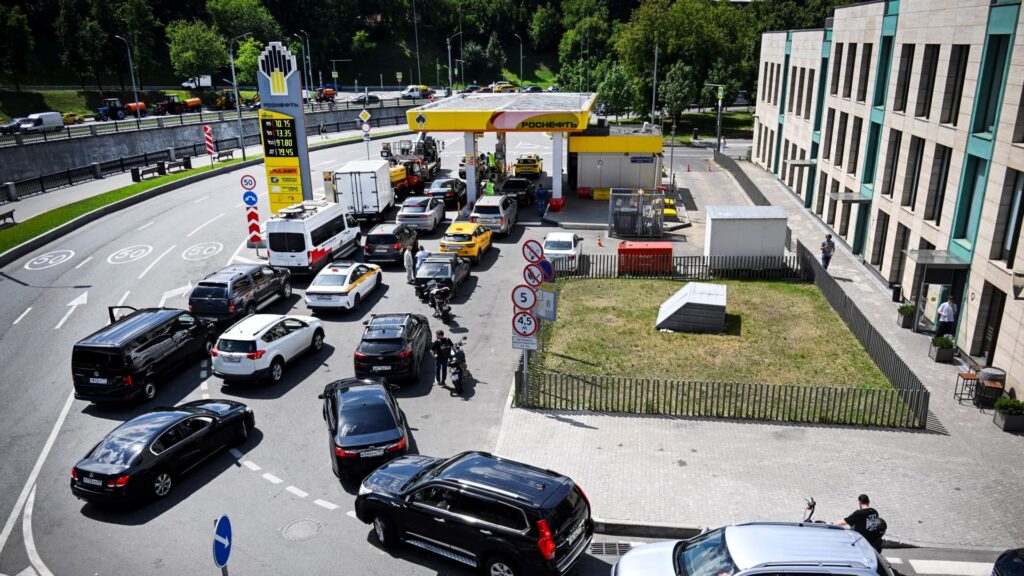
– Russian cities are facing significant fuel shortages and long queues at petrol stations, exacerbating economic challenges for the country.
– Experts warn that while Ukraine’s tactics are debilitating for Russia, they also increase the risk of military escalation in the region.
Context and Significance of the Conflict
The ongoing conflict between Ukraine and Russia has escalated significantly, particularly in recent weeks with Ukraine ramping up its drone strikes on Russian fuel tankers in the Sea of Azov. The timing of these attacks is particularly crucial, coinciding with a nationwide gasoline shortage in Russia, which has seen long lines at gas stations and sparked concerns over fuel accessibility for the general public. Understanding the dynamics of this conflict is essential for grasping the broader implications for regional stability, economic health, and the delicate balance of power in Eastern Europe.
Ukraine’s strategy to cripple Russian fuel supplies is not only a tactical move but a pivotal part of its broader campaign to disrupt logistics to Crimea, a territory that has been under Russian control since its annexation in 2014. This approach aims to weaken Russia’s military operations and economic base, as the war continues to stretch resources thin on both sides.
Core Attacks and Economic Ramifications
The drone strikes led by Ukraine’s forces have resulted in significant damage to Russian maritime assets, with reports indicating that up to 35 ships have been targeted in a matter of days. Defense experts have highlighted Ukraine’s drone campaign as a critical element in its fight, aiming to halt the forward momentum of Russian military operations. The significance of disrupting Russian fuel supply chains cannot be overstated, as it directly impacts not just military logistics but also the general population’s access to essential goods and services.
Further illustrating the stakes, Ukrainian President Volodymyr Zelenskyy emphasized that Ukraine’s upgraded drone capabilities now pose a threat well beyond the eastern front, marking a dramatic evolution in the conflict. Among the targets has been oil refineries in major Russian cities, including a notable strike on an important facility in Omsk, located nearly 2,500 kilometers away from the frontline, underscoring both the capacity of Ukrainian forces and the vulnerabilities of the Russian energy infrastructure.
Implications and Future Outlook
The implications of these developments are profound, as Russian President Vladimir Putin recently acknowledged the strain that the drone strikes have placed on the nation’s fuel production. This admission reflects a broader economic crisis triggered by the ongoing war, where GDP growth has stalled amid rising military expenditures in the previous years. Notably, the crisis has led to unyielding inflation and labor shortages within the private sector, further constraining the economy.
Looking ahead, experts caution that unless there is a dramatic shift in global energy markets, Russia’s economic situation may continue to deteriorate. The increasing reliance on military spending juxtaposed with shrinking non-military sectors paints a troubling picture of an economy grappling with both external pressures and internal inefficiencies. As the conflict progresses, the potential for escalation remains high, raising questions about the future stability of the region and the prospects for a resolution.
In conclusion, Ukraine’s drone strikes represent a significant shift in the dynamics of the conflict, with far-reaching consequences for both military strategy and economic stability in Russia. As this situation unfolds, one must ponder: How will Russia respond to these setbacks? Can diplomatic solutions emerge amid escalating hostilities? And what role will international actors play in shaping the future of this conflict?
Editorial content by Avery Redwood